

How To Navigate Cemeteries When Searching Family Records
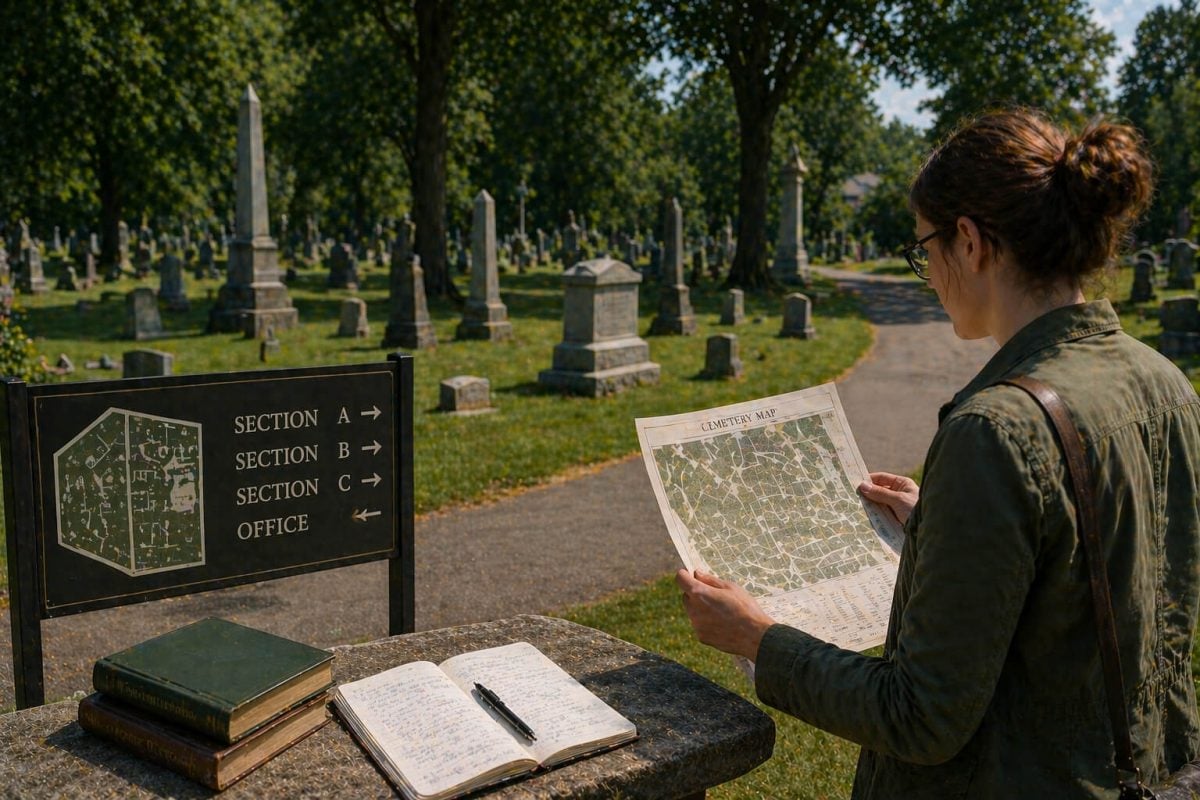
When exploring cemeteries in Troy, NY, understanding how burial grounds are organized can make family research more effective. Most cemeteries are divided into sections, lots, and grave numbers, each tied to detailed records maintained by the cemetery office. These records often include names, dates, and plot ownership information that can guide your search. Becoming familiar with maps and section markers allows you to navigate efficiently while avoiding confusion, especially in larger historic cemeteries.
Using Cemetery Offices as Research Resources
Cemetery offices are often the most reliable starting point for locating family records. Staff members maintain archives that may include burial registers, interment records, and cemetery maps. Many cemeteries also provide guidance on how to interpret historical documentation. Albany Diocesan Cemeteries emphasizes record preservation and accessibility, helping families trace lineage with greater confidence. Contacting the office before your visit can save time and provide valuable direction.
Interpreting Headstones and Markers
Headstones offer more than names and dates. They can reveal relationships, cultural traditions, and historical context. Symbols, inscriptions, and epitaphs often provide clues about a person’s life, faith, or family connections. Nearby markers may also indicate family groupings since relatives are frequently buried together. Recording details carefully through notes or photographs can help preserve important information for future genealogical research.
Leveraging Digital Tools and Online Databases
Modern technology has transformed cemetery research. Many burial grounds now offer online databases where visitors can search names and plot locations before arriving in person. These tools can help researchers create a more organized search plan. Genealogy websites may also combine cemetery records with census information, obituaries, and historical archives to provide a more complete picture of family history.
Preparing for a Productive Visit
A well-planned visit can improve your overall research experience. Before visiting, gather as much information as possible about the individuals you are searching for. Bring essential items such as a notebook, camera, water, and copies of any relevant documents. Visiting during daylight hours can improve visibility and make navigation easier. Respectful behavior and following cemetery guidelines are also important when conducting research in these sacred spaces.
Key Tips for Efficient Cemetery Navigation
To make your search more effective, keep these practical strategies in mind:
- Start with verified names and approximate dates to narrow your focus
- Use section maps to identify likely burial areas before walking the grounds
- Document each finding carefully to avoid duplicating efforts
- Speak with staff or caretakers for insights on older or less visible plots
- Cross-reference findings with external records for improved accuracy
Understanding Historical and Religious Context
Cemeteries often reflect the cultural and religious practices of the communities they serve. In Troy and the surrounding Capital District, many burial grounds are affiliated with religious organizations, which may influence cemetery layouts and record-keeping methods. Understanding these traditions can help researchers interpret burial patterns and locate family members more effectively. Historical context may also provide insight into migration patterns and local community development.
Preserving and Sharing Your Findings
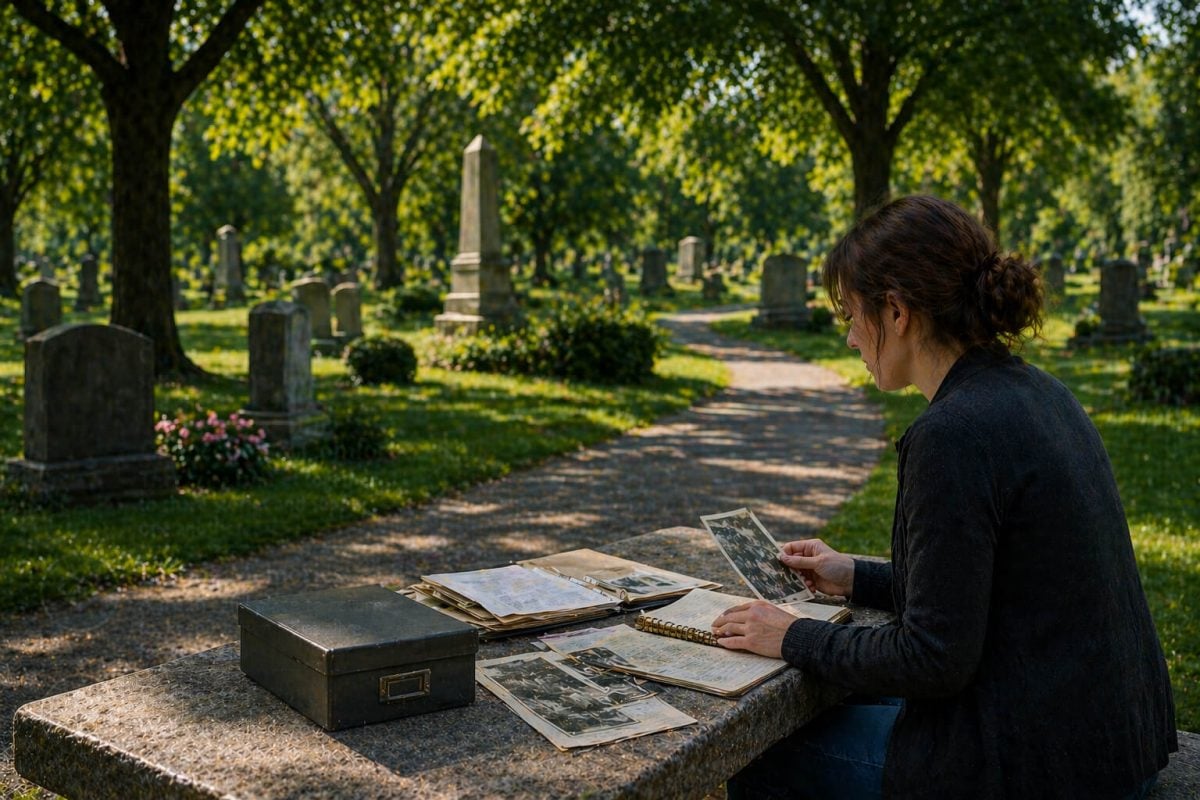
Once you have gathered information, preserving it properly helps future generations benefit from your research. Organize notes, photographs, and documents in a structured format for easier access later. Consider sharing findings with family members or contributing information to genealogical databases. This not only safeguards your work but may also help others searching for similar family connections.
Navigating cemeteries in Troy, NY for family records requires preparation, observation, and resourcefulness. By understanding cemetery layouts, using available research tools, and respecting the historical importance of these spaces, visitors can uncover meaningful connections to the past. Each visit offers an opportunity to deepen family knowledge and preserve personal history for future generations.
If you are ready to continue your family history journey, Albany Diocesan Cemeteries is here to help. Their team is committed to preserving records and supporting families throughout the research process. Contact Albany Diocesan Cemeteries at (518) 463-0134 to learn more about accessing records and exploring cemeteries in Troy, NY with knowledgeable guidance.
Common Questions and Answers
What information can I find in cemetery records?
Cemetery records often include names, burial dates, plot locations, and sometimes family relationships or religious affiliations.
Do I need permission to access cemetery records?
In many cases, records can be accessed through the cemetery office. Contacting staff in advance is recommended for specific guidelines.
Are all cemetery records available online?
Not all cemetery records have been digitized. Some historical records may only be accessible through on-site archives or cemetery offices.
How can I locate an unmarked grave?
Cemetery staff, maps, burial registers, and historical records can often help identify unmarked graves or older burial locations.
What should I bring when visiting a cemetery for research?
Bring identification details, a notebook, a camera, water, and any relevant documents to help guide your search and organize findings.
