

Choosing A Peaceful Resting Place for Multigenerational Families
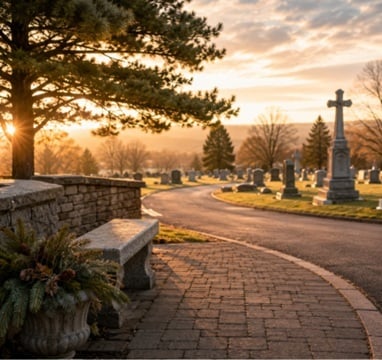
The best resting place for a multigenerational Catholic family is one that keeps faith, family memory, and future visits together in a way people can understand years from now. When families compare cemeteries in Albany, NY, we encourage them to think beyond one grave or one memorial and ask, “Will this place still help our children pray, remember, and feel connected after we are gone?”
Start with the Family You Actually Have
Many families begin with a simple wish, “We want everyone together.” That sounds clear until adult children live in different towns, one spouse is not Catholic, and siblings disagree about burial and cremation.
A peaceful choice starts by naming these facts early. We have seen families avoid tension later by asking who is likely to visit, who will make decisions, and whether future generations will understand the family’s Catholic roots if no one explains them now.
One non-obvious issue is mobility. A beautiful section may not be the best fit if older relatives cannot walk comfortably to it, or if winter visits will be hard. Peace is not only about quiet grounds; it is also about whether real people can get there without strain.
A Resting Place Is Also a Teaching Place
A Catholic cemetery is not just a location. It is a witness to the belief that the body is sacred, death is not the end, and our loved ones remain part of the communion of saints.
For grandchildren, that lesson is often learned without a lecture. They see a crucifix, a saint’s name, a rosary in someone’s hand, and family members making the Sign of the Cross. Over time, the place itself teaches reverence.
This is one reason Catholic families often prefer consecrated ground over a general memorial setting. A non-Catholic cemetery may offer a pleasant Catholic section, but a cemetery formed around Catholic burial traditions usually gives the whole visit a different meaning, from prayerful symbols to the way families speak about hope and resurrection.
What Multigenerational Families Often Miss
The most common planning mistake is choosing only for the person who has died or is nearing death. That is understandable, but it can leave the next generation with scattered decisions and no clear family pattern.
We suggest thinking in layers:
- The first need, where a loved one will rest now.
- The family need, whether spouses, parents, adult children, or siblings may want nearby spaces later.
- The memory need, how names, dates, faith symbols, and relationships will be understood by future visitors.
Another overlooked detail is the order of names and relationships on memorials. Families sometimes focus on design first, then realize later that a remarriage, blended family, religious vocation, or maiden name deserves careful wording. Planning early gives everyone time to be accurate and kind.
If a family is also considering a simpler or more natural burial style, it helps to review Albany-area green burial questions before making final choices.
When Cremation Is Part of the Conversation
Catholic teaching permits cremation while emphasizing the importance of placing cremated remains in a sacred and permanent resting place. Whether families choose a columbarium niche or another memorial option, having a dedicated place for prayer and remembrance helps preserve both faith traditions and family connections. Planning ahead allows loved ones to understand these wishes and carry them forward with confidence.
The Church permits cremation, but it still asks that cremated remains be treated with the same dignity as the body and placed in a sacred, permanent resting place. For Catholic families, this is where confusion often enters.
Some relatives may assume keeping remains at home is more personal. In practice, it can become harder for the wider family. One person becomes the keeper of memory; other relatives may feel awkward asking to visit, and the next generation may not know what to do.
Placement in consecrated ground gives the whole family a stable place to pray. It also prevents painful decisions years later when a house is sold, a relative moves, or family members no longer agree about what should happen.
A Realistic Family Scenario
Imagine a mother and father in their late seventies. They have four adult children: one attends Mass weekly, one lives out of state, one married into a Jewish family, and one feels unsure about Church practice but still loves Catholic family traditions.
If they wait, the children may have to make choices during grief, over phone calls, with different memories of what Mom and Dad “would have wanted.” That often leads to quick compromises that nobody fully understands.
If the parents plan now, the tone changes. They can say, “This is where we want to rest, this is why our faith matters, and this is how we hope you will visit us.” Even the child who is less active in the Church receives a loving map instead of a burden.
How to Compare Sacred Grounds Without Feeling Rushed
When families visit cemeteries in upstate NY, the choices can feel wide. Some places are historic, some are parish-connected in feel, and some are more modern in layout. The right question is not “Which one is nicest?” but “Which one will help our family practice remembrance well?”
Pay attention to these signs during a visit:
- Is the setting prayerful without feeling isolated?
- Can several generations visit comfortably?
- Are Catholic symbols present and meaningful?
- Is there room for future family decisions?
- Do the grounds feel cared for in ordinary seasons, not only on holidays?
Families sometimes ask about the oldest cemetery in Albany NY because history matters to them. Historic burial grounds can be deeply moving, but age alone does not answer every family need. Accessibility, available options, Catholic identity, and long-term family connection matter just as much.
Preserving Memorials for Future Generations
Planning for the future also includes caring for existing memorials. Over time, weather and natural aging can affect inscriptions and surface details. Gravestone restoration can help preserve names, symbols, and craftsmanship so future generations can continue visiting memorials that remain clear, dignified, and meaningful.
If monument wording, family names, or Catholic symbols are already becoming part of the discussion, Catholic Monument Design Center can help families think through memorial choices with care. For guidance, call (518) 350-7678 and ask about planning a memorial that serves both today’s family and future generations.
When Other Faith Traditions Are in the Family
Many Catholic families today include relatives from other traditions. Someone may ask about a Jewish cemetery in Albany NY because a spouse, in-law, or grandchild belongs to that faith community. These conversations deserve respect, not pressure.
A Catholic resting place can still be the right choice when the deceased wished to be buried according to Catholic belief. However, family members of other faiths should understand what the symbols mean and how Catholic rites honor the person.
We have found that explaining the “why” softens many disagreements. Consecrated ground is not about excluding anyone. It is about placing the faithful departed in a setting that reflects Catholic hope, while still welcoming loved ones who come to visit, pray, or simply stand in love.
A Peaceful Choice Is Usually a Shared Choice
A peaceful resting place is rarely chosen by accident. It comes from honest family conversations, thoughtful planning, and a shared understanding of what matters most.
Families who begin these conversations early often find greater clarity and confidence when important decisions arise. They have time to discuss faith traditions, memorial preferences, and how future generations will remember those who came before them.
As families continue comparing cemeteries in Albany, NY, thoughtful planning can help preserve faith, family traditions, and lasting remembrance for years to come. For more information about planning ahead, contact our team for advance planning guidance or call (518) 350-7678.
