

Green Burial Materials Explained for Eco-Friendly Farewells
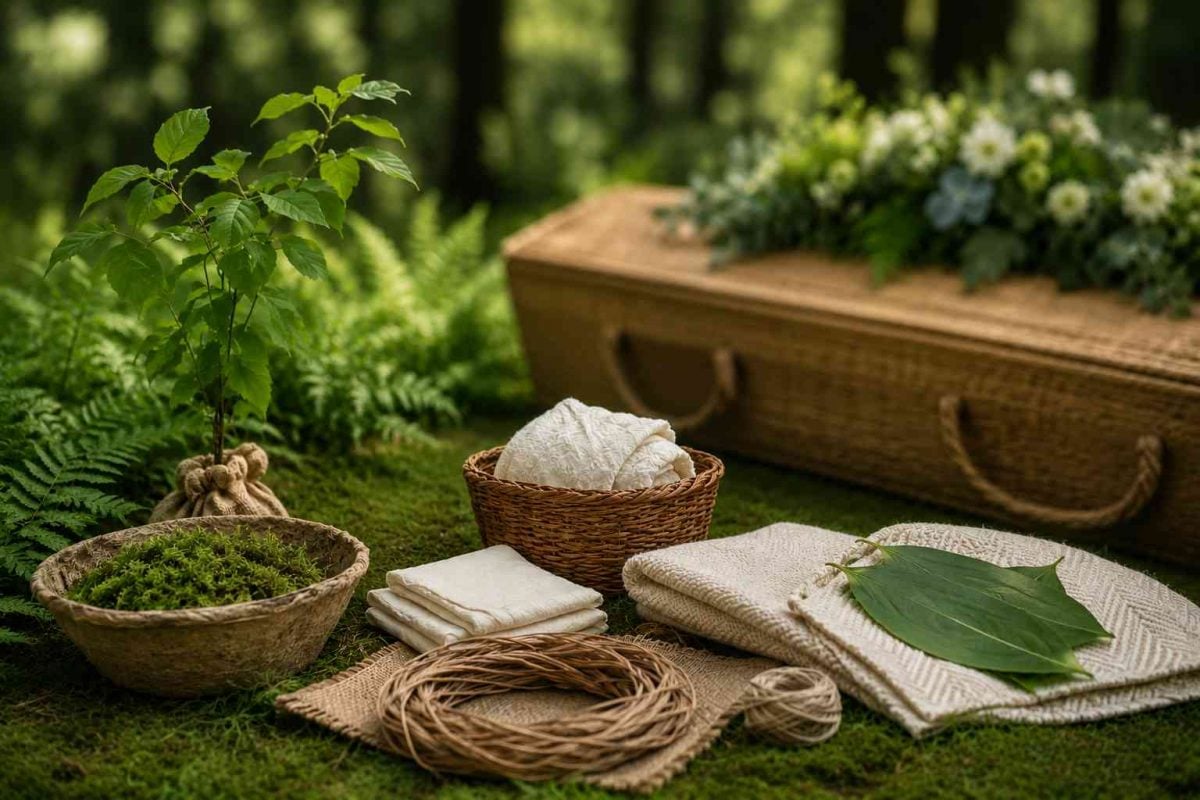
Choosing a burial that reflects care for the earth can bring comfort during a deeply personal time. Families researching cemeteries in Albany, NY may wish to understand how natural materials support a respectful farewell while reducing the use of heavily processed products. Green burial materials are selected for simplicity, biodegradability, and their ability to rejoin the soil naturally.
What Makes a Burial Material Green?
A material is generally considered suitable for green burial when it can break down naturally without leaving harmful residues. It is often made from renewable resources and produced with minimal chemical treatment.
The goal is not to make a service feel less meaningful. Instead, the focus is on choosing items that honor the person while showing consideration for the surrounding landscape.
Cemetery policies and local requirements can differ, so families should speak with a knowledgeable advisor before selecting any container, fabric, or memorial element.
Natural Burial Containers
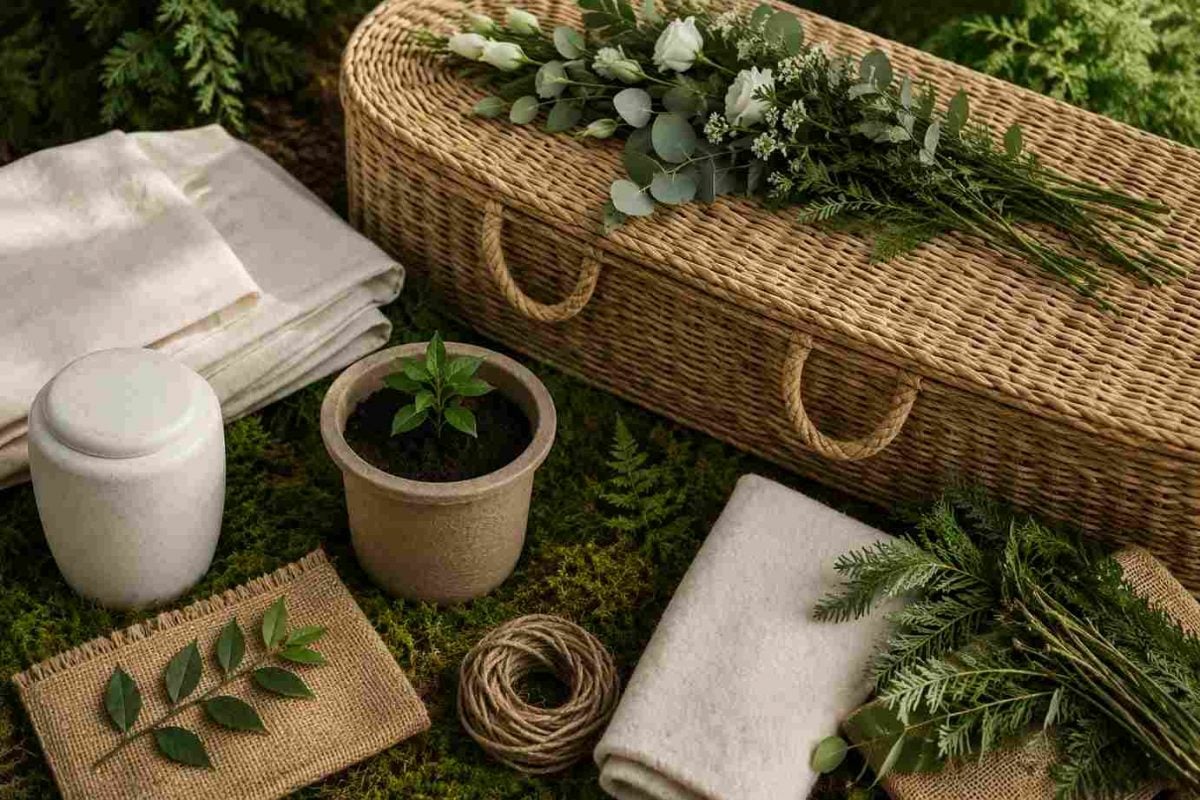
Traditional burial containers may contain metal parts, synthetic finishes, or materials designed to resist natural change. Green burial containers take a different approach. They are commonly made from untreated wood, woven plant fibers, or sturdy biodegradable board.
Pine, poplar, willow, bamboo, wicker, and seagrass are often associated with natural burial products. Their appearance may be simple, but careful craftsmanship can make them graceful and dignified. Handles, linings, and fasteners should also be made from natural materials whenever possible.
Shrouds and Natural Fabrics
A burial shroud is a fabric covering used in place of, or sometimes inside, a biodegradable container. Shrouds are commonly made from cotton, linen, wool, hemp, or silk. Natural fabric allows the body to be wrapped securely while maintaining a soft, traditional presentation.
Families considering a shroud should ask how it will be supported and carried during the service. Some cemeteries may require a rigid board or another approved support beneath the fabric.
Key Materials Families May Encounter
Green burial products can vary in design, but they often share the same basic qualities:
- Untreated wood without synthetic sealants
- Woven willow, bamboo, wicker, or seagrass
- Cotton, linen, wool, hemp, or silk fabric
- Natural rope, twine, and plant-based fasteners
- Biodegradable cardboard or pressed fiber
- Locally sourced stone or native plants for remembrance
Each item should be reviewed in relation to cemetery rules, soil conditions, and the family’s wishes.
Why Finishes and Fasteners Matter
A container may look natural while still including varnish, plastic lining, metal hardware, or synthetic glue. These details matter because they can slow decomposition or introduce materials that remain in the ground.
Families can ask whether wood is untreated, fabric is free from synthetic blends, and adhesives are plant based. Understanding how green burial offers a gentle and natural resting choice can also help families evaluate materials and practices that align with their personal values. Clear product information helps prevent confusion and supports an informed decision.
Memorial Elements with a Lighter Footprint
Environmental care can continue beyond the burial container or shroud. Seasonal flowers, locally grown plants, simple paper keepsakes, and modest natural markers can create a personal tribute without adding unnecessary manufactured materials.
Before choosing a marker or planting, families should confirm what the cemetery permits. Maintenance needs, long-term durability, and the character of the grounds all deserve consideration.
Planning a Farewell That Reflects Your Values
Green burial is not defined by one product. It is a thoughtful process that brings together natural materials, cemetery practices, personal beliefs, and family traditions. Some families also choose to establish a lasting family legacy by purchasing multiple burial plots together during the planning process. Making these arrangements in advance allows loved ones to remain close to one another while creating a shared place where future generations can gather, reflect, and honor their family’s history. Even when selecting green burial options, this thoughtful approach helps preserve family traditions while respecting both personal values and the natural environment.
A compassionate advisor can explain what is permitted, help families compare suitable choices, and guide loved ones through each step without pressure. Planning with reliable information can bring reassurance while creating a farewell that feels personal, dignified, and environmentally mindful.
For caring guidance, contact Albany Diocesan Cemeteries at (518) 374-5319. Learn about green burial planning options in Albany, NY and schedule a consultation with a team that understands the importance of a peaceful and thoughtful farewell.
