

How Cemeteries Help Families Preserve Memories Across Time
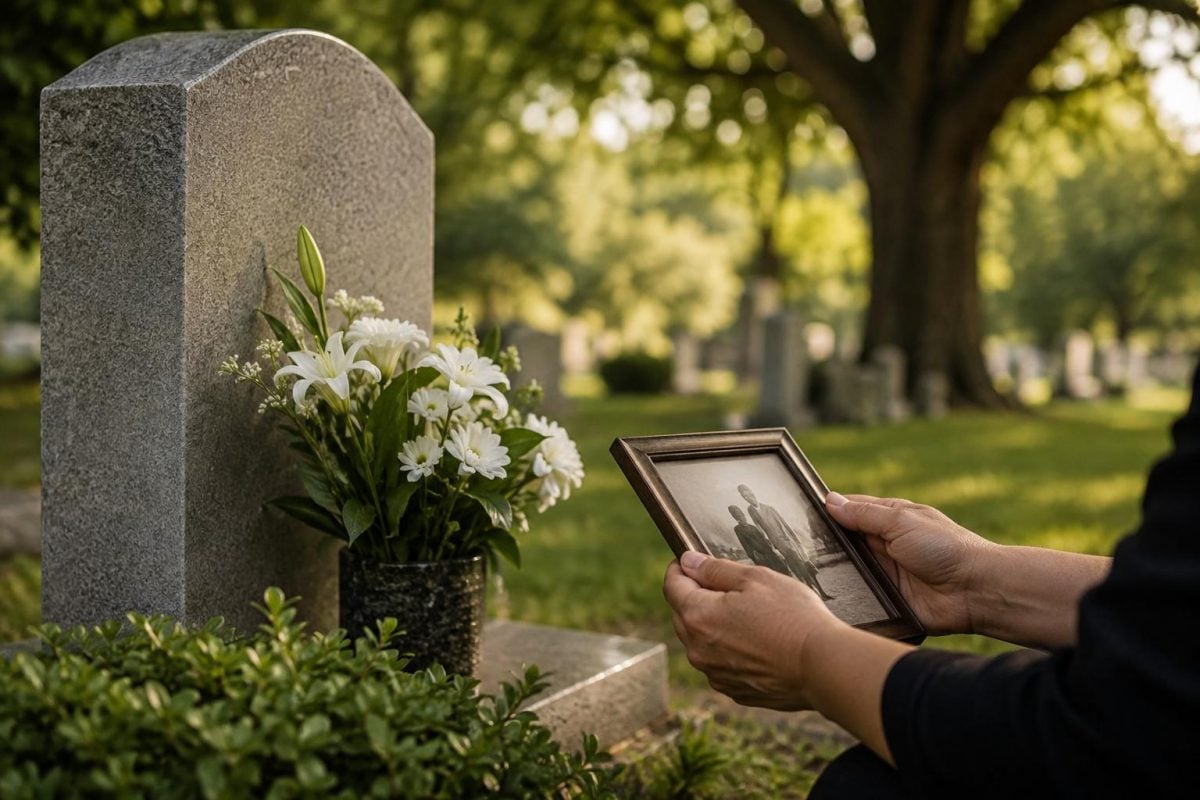
Families often look for meaningful ways to keep the stories of loved ones present as years pass and generations change. Cemeteries in Troy, NY can provide peaceful, dedicated places where relatives gather, reflect, and maintain a connection with family history. A cemetery can become more than a physical location associated with loss. It can serve as an enduring setting where personal memories, family traditions, and shared experiences remain connected to a specific place.
Connecting Generations Through Shared History
Family stories can become more meaningful when younger generations have a tangible connection to the people who came before them. Visiting a cemetery gives parents, grandparents, and other relatives an opportunity to share memories that might otherwise remain untold. They can explain family relationships, recall meaningful experiences, and introduce younger relatives to people they may never have had the opportunity to meet. These conversations help transform family history from a collection of names and dates into stories with personality and emotional significance.
Creating Meaningful Family Traditions
Regular visits can gradually become traditions that strengthen family connections. Some relatives may visit on birthdays, anniversaries, holidays, or other meaningful dates, while choosing memorials that reflect a life of love and legacy can give these visits an even deeper sense of connection. Others may simply choose a quiet day when family members can spend time together in reflection. The value of these traditions often comes from consistency. Returning to the same meaningful setting can encourage conversation and provide families with a familiar way to remember people who remain important to them.
Preserving Personal Stories for the Future
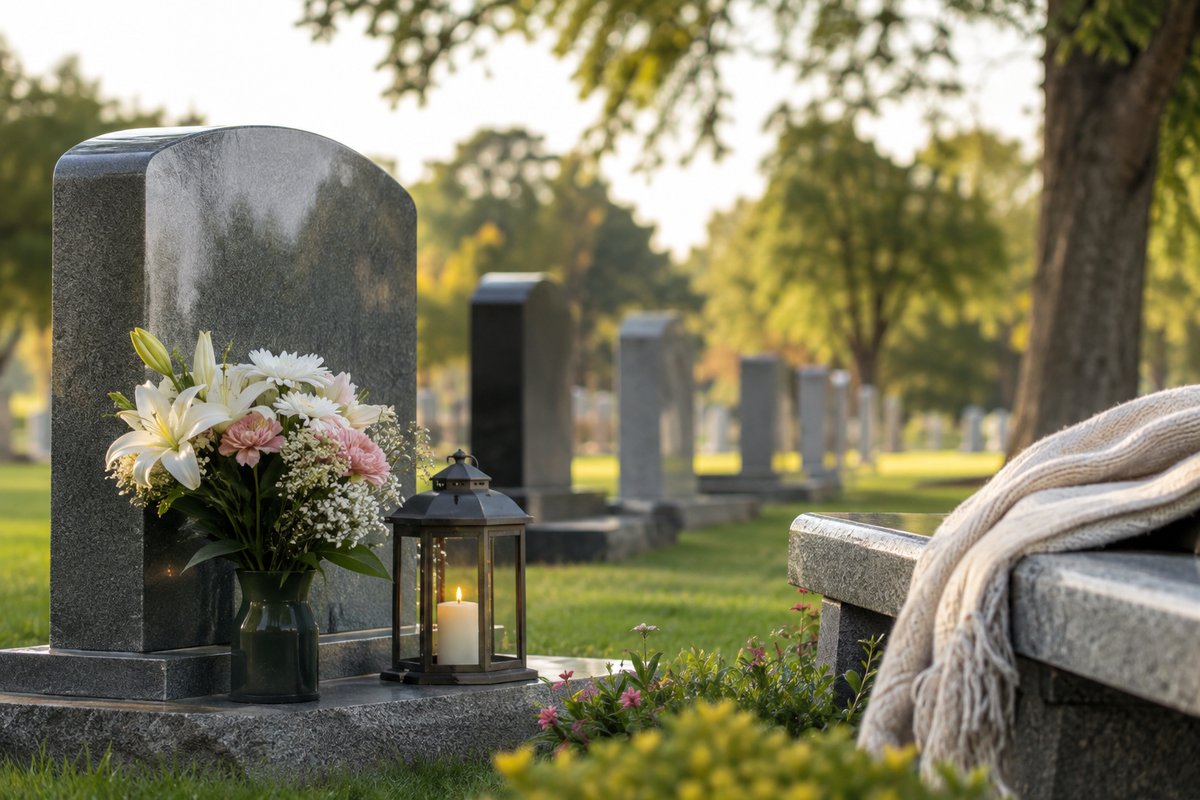
Memories are often carried through stories, photographs, letters, records, and conversations. A cemetery can provide a physical point of connection that encourages families to preserve those materials and the stories associated with them. When relatives understand where previous generations are remembered, they may become more interested in learning about their family background.
Families can strengthen this connection by preserving meaningful details such as:
- Full names and important family relationships
- Birth dates and other significant dates
- Photographs from different stages of life
- Letters, journals, and written family stories
- Memories of careers, hobbies, values, and accomplishments
Keeping these details together helps future generations understand not only who their relatives were, but also how they lived and what mattered to them.
Supporting Reflection Through Familiar Places
Memory is often closely connected to place. Returning to a familiar cemetery can bring back stories, conversations, and experiences associated with a loved one. For some families, simply spending quiet time in a familiar setting provides an opportunity to reflect without distraction. Over the years, that sense of familiarity can become especially meaningful because the location remains connected with family experiences even as everyday life continues to change.
Giving Family History a Physical Connection
Family history can sometimes feel distant when it exists only in documents or digital records. Cemeteries provide a physical connection to that history by giving relatives a specific place associated with previous generations. This connection may encourage people to ask questions about their ancestry, relationships, traditions, and heritage. A visit can inspire conversations about where relatives lived, what they valued, and how their experiences influenced later generations.
Encouraging Conversations That Might Otherwise Be Lost
Some of the most valuable family memories are never formally recorded. They are shared during conversations between relatives. Cemetery visits can naturally create moments when these stories emerge. A grandparent might recall a childhood experience, a parent may explain an important family tradition, or siblings might remember an event differently and add details to one another’s memories.
These conversations help preserve small but meaningful details that written records may not capture. Humor, personality, favorite sayings, personal values, and everyday experiences can all become part of the family’s shared understanding.
Maintaining Bonds as Families Change
Families naturally change over time. Children grow older, relatives move to different communities, and new generations become part of the family. A cemetery can remain a consistent point of connection through these changes. Even when relatives live far apart, returning to a familiar place can create a sense of continuity.
That continuity can be especially meaningful during family gatherings. Relatives who have not seen one another for some time may reconnect through shared memories and stories. In this way, remembrance can also strengthen relationships among living family members.
Some families also choose to strengthen that sense of connection by purchasing multiple burial plots or mausoleum spaces together during the planning process. These arrangements can establish a lasting family legacy by allowing loved ones to remain close to one another while creating a shared place where future generations can gather, reflect, and honor their family’s history.
Helping Future Generations Understand Their Roots
Preserving memory is ultimately about giving future generations something meaningful to carry forward. Names and dates provide useful historical information, but personal stories give those details greater depth.
How Can Families Pass Meaningful Stories to Future Generations?
When families intentionally share memories, preserve records, and maintain traditions, younger relatives receive a richer understanding of their heritage. Stories about relationships, values, traditions, and important experiences can help younger generations understand the people who shaped their family.
Why Does a Place of Remembrance Matter to Family History?
A cemetery can support that process by serving as a lasting reference point within the family’s history. Each visit can become an opportunity to pass along another story, answer another question, or explain another family connection.
Over decades, those individual moments can help create a more complete picture of the people and experiences that shaped the family.
Memory as an Ongoing Family Legacy
Remembering loved ones does not have to be limited to a single occasion. It can become an ongoing practice that evolves with each generation. Families may preserve photographs, record stories, research their ancestry, or continue traditions that were meaningful to earlier relatives. A cemetery provides a consistent place where these different forms of remembrance can come together.
Through thoughtful visits and shared storytelling, families can ensure that meaningful experiences are not forgotten as time passes. The result is a legacy built not only from historical information, but also from the values, relationships, and personal stories that give a family its unique identity.
Continue Your Family’s Story with Thoughtful Guidance
Explore meaningful cemetery planning options with Albany Diocesan Cemeteries and discover how a meaningful place of remembrance can help preserve family connections for generations. If you are considering cemeteries in Troy, NY, contact the team at (518) 463-0134 for compassionate, professional guidance and to schedule a consultation that reflects your family’s needs.
