

How Family Legacy Planning Can Connect Generations
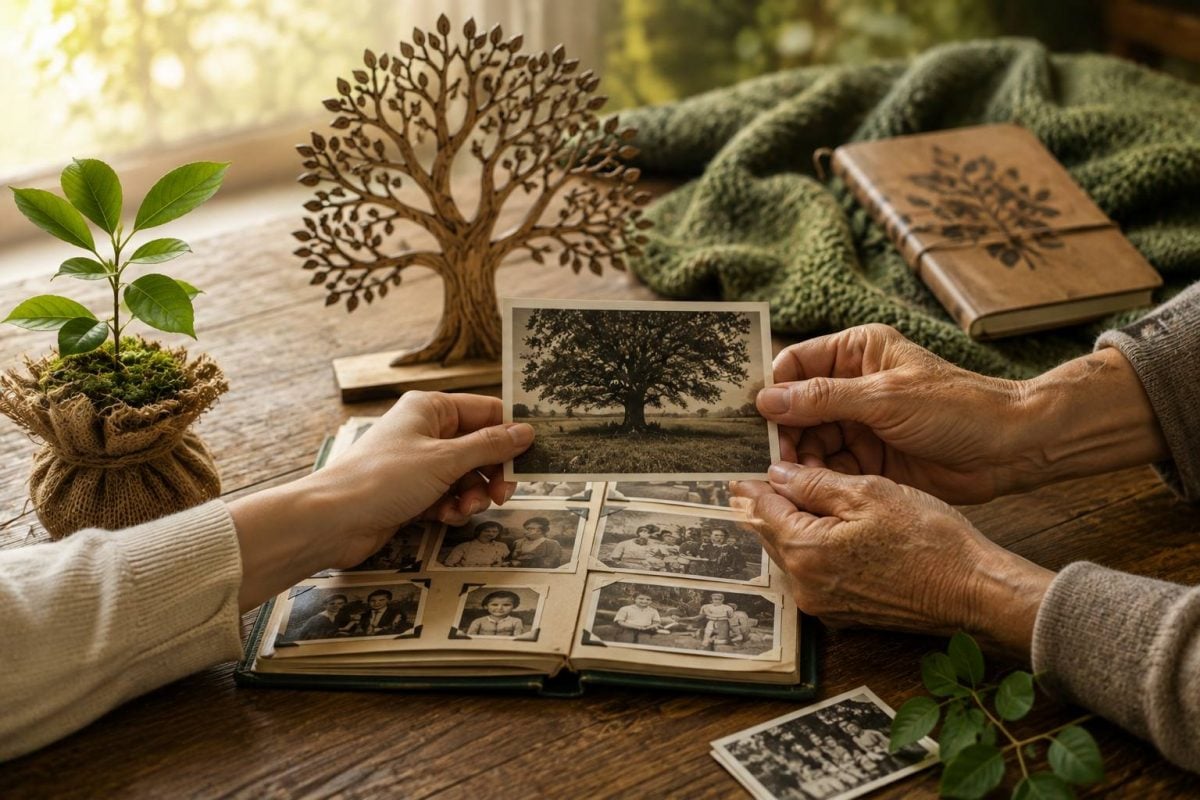
Family legacy planning gives people an opportunity to think carefully about how their values, memories, traditions, and personal stories can remain meaningful to future generations. Families considering cemeteries in Troy, NY may find that planning ahead also creates space for thoughtful conversations about heritage and remembrance.
Rather than focusing only on individual decisions, legacy planning encourages relatives to consider the larger family story and how each generation contributes to it. A thoughtful plan can become a meaningful connection between the past, present, and future.
Preserving the Stories That Shape a Family
Every family carries stories that explain where it came from and what its members have valued through the years. Some stories are passed down through conversation, while others are preserved through photographs, letters, journals, family records, and meaningful traditions.
Legacy planning encourages families to identify these important pieces of their history before they are forgotten.
Sharing these memories can also help younger relatives understand people they may never have had the opportunity to meet. A name or photograph becomes more meaningful when accompanied by a story about someone’s character, accomplishments, beliefs, or influence on the family.
Encouraging Meaningful Family Conversations
Legacy planning can create opportunities for discussions that families might otherwise postpone. Talking about family history, personal wishes, traditions, and remembrance can initially feel unfamiliar, but these conversations often provide greater understanding among relatives.
A productive conversation does not have to address everything at once. Families can begin with a few meaningful questions and allow the discussion to develop naturally.
What Family Stories and Traditions Should Be Preserved?
Families can begin by discussing meaningful memories, personal wishes, traditions, and experiences that help explain their shared history. Photographs, letters, family records, and personal stories can also provide useful starting points for these conversations.
Preserving these details can help younger relatives understand not only what earlier generations experienced, but also why certain traditions and values continue to matter.
How Can Different Generations Contribute to the Conversation?
Listening is just as important as speaking because different generations may view family traditions and memories from different perspectives. Giving everyone an opportunity to share can create a richer understanding of the family’s history and the values they hope to carry forward.
Passing Values from One Generation to Another
A lasting family legacy can include choosing a meaningful place for family remembrance. It can also communicate the principles that have guided a family over time.
Values such as compassion, faith, perseverance, generosity, responsibility, and respect can become part of the story passed from grandparents to parents, children, and grandchildren.
Families can strengthen this connection by intentionally preserving meaningful lessons, including:
- Record family stories: Write down memories and experiences that future relatives may appreciate.
- Explain important traditions: Share why certain customs, gatherings, or practices matter to the family.
- Preserve personal reflections: Encourage relatives to document lessons they have learned throughout life.
- Discuss family values: Talk openly about principles that have influenced important decisions.
- Invite younger generations to participate: Give children and grandchildren opportunities to ask questions and contribute their own perspectives.
These simple actions can transform family history into something living and relevant rather than something remembered only occasionally.
Giving Younger Generations a Sense of Belonging
Understanding family history can provide younger relatives with a stronger sense of identity. When children and grandchildren learn about previous generations, they gain context for traditions, relationships, and values that remain part of family life today.
Legacy planning can make these connections easier to understand. Family records, photographs, written memories, and conversations can show how individual lives fit into a larger story.
Cemeteries can also help families keep family memories meaningful across generations by providing a lasting place to honor, remember, and reflect on the lives of those who came before them. This knowledge can encourage younger generations to preserve what matters to them while adding their own experiences to the family’s continuing history.
Planning Ahead with Thoughtfulness
Planning ahead can also make personal wishes clearer for loved ones. When important preferences are discussed and documented in advance, family members have a shared understanding that can reduce uncertainty later.
The process can be approached gradually and thoughtfully. Some families begin by gathering important records, while others start by discussing traditions or documenting family history. What matters most is creating a plan that genuinely reflects the family’s values and provides useful guidance for those who will carry those traditions forward.
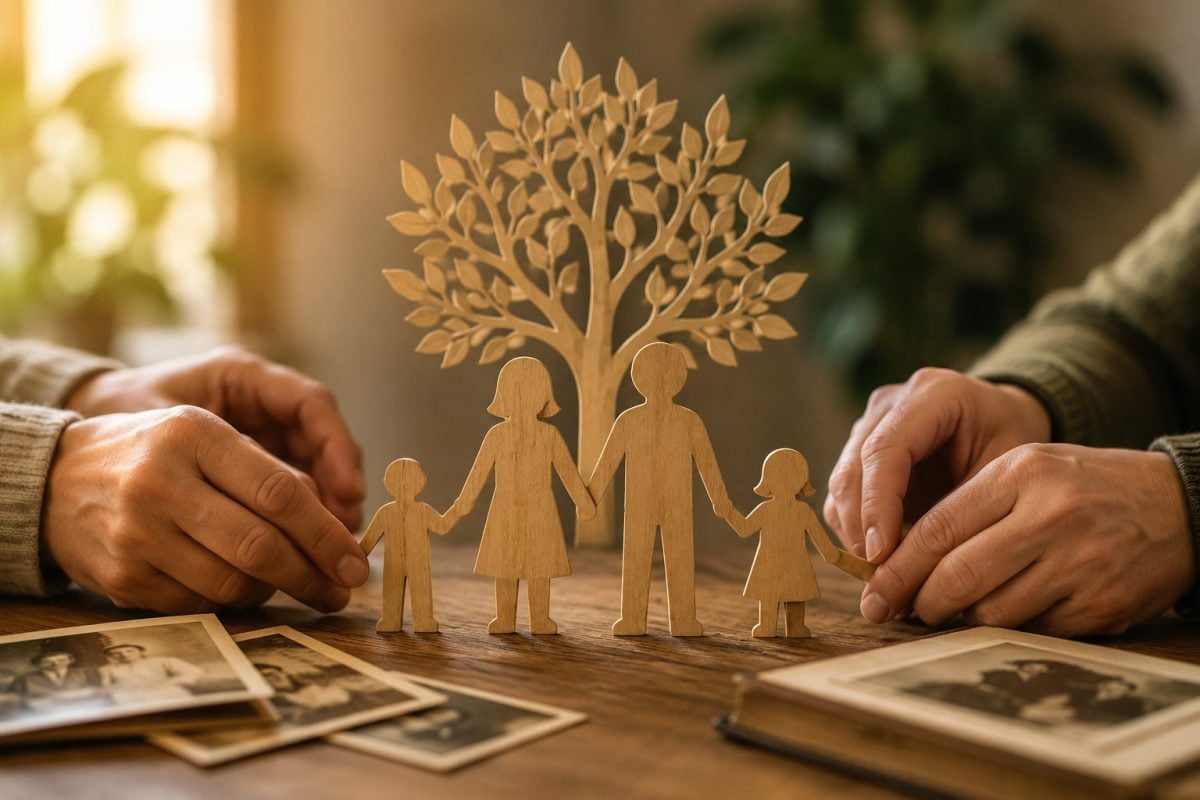
Some families also choose to establish a lasting family legacy by purchasing multiple burial plots or mausoleum spaces together during the planning process. Making these arrangements together can allow loved ones to remain close while creating a shared place where children, grandchildren, and future generations can gather, reflect, and maintain a meaningful connection to their family’s history.
Building a Legacy That Continues to Grow
A family legacy is not a finished story. Each generation receives memories, traditions, and values from those who came before and then contributes something new.
Thoughtful planning recognizes this continuing connection and gives future relatives a foundation they can understand, appreciate, and preserve.
By documenting stories, discussing wishes, and sharing meaningful traditions, families can create a legacy rooted in connection rather than uncertainty. The result is a clearer understanding of where the family has been and a meaningful foundation for generations still to come.
Continue Your Family Legacy with Thoughtful Planning
For families exploring cemeteries in Troy, NY, Albany Diocesan Cemeteries can provide compassionate and professional guidance as you consider meaningful plans for the future.
Discuss your family legacy planning needs, speak with the team about your family’s preferences, and take the next step with confidence. Call (518) 463-0134 today for personalized assistance.
