

Choosing a Headstone Shape That Reflects a Loved One’s Life
Choosing a headstone shape is about more than deciding what looks appropriate. The memorial’s form can help express something meaningful about the person while also determining how much space is available for names, dates, symbols, artwork, and other personal details.
Families exploring cemeteries in Albany, NY can begin by considering the life they want the memorial to represent, then confirm what the cemetery permits in the specific burial section. Taking both meaning and practical requirements into account can make the final decision feel more thoughtful and complete.
Key Takeaways
- The best headstone shape feels true to the person while meeting the cemetery’s current requirements.
- Low-profile markers create a quiet presence, while upright monuments allow more visibility and design space.
- Inscription needs, future names, symbols, and artwork should be considered before selecting a shape.
- A family conversation can prevent a memorial from feeling too limited later.
- Cemetery guidelines should be confirmed before finalizing dimensions, materials, and installation.
Start with the Life You Want the Memorial to Express
The most fitting headstone shape should reflect the person being remembered while providing enough space for the details that matter. Shape affects more than appearance. It can influence how visible the memorial is within the cemetery, how names and inscriptions are arranged, and how personal elements such as religious symbols, artwork, or meaningful phrases become part of the finished design.
Consider the qualities and experiences that family members most closely associate with your loved one. Someone who valued simplicity may be remembered with a modest, lower-profile marker, while a person whose faith, military service, artistic interests, or community involvement played an important role in life may inspire a memorial with additional space for meaningful details. The goal is not to make one style more prominent than another, but to choose a form that feels appropriate for the individual and the story the family wants to preserve.
What Does Each Common Headstone Shape Communicate?
The shape of a headstone can influence its visual presence, available inscription space, and overall character. Understanding common memorial styles can help families narrow their choices before reviewing cemetery-specific requirements.
Compare Lower-Profile Memorial Styles
A flat marker rests level with the ground and provides a clean, understated appearance. It may work well in cemetery sections designed for a uniform landscape, although its lower profile generally provides less room for lengthy inscriptions or detailed artwork.
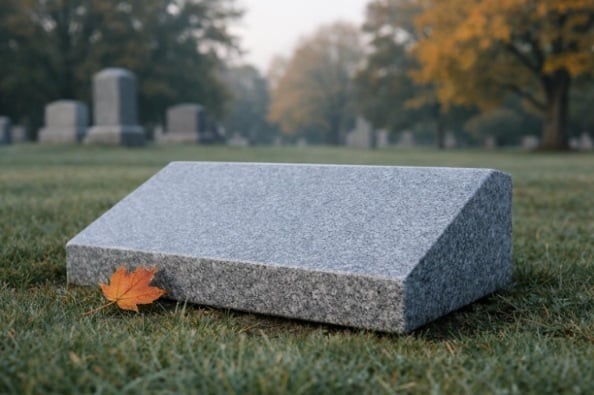
A bevel marker rises slightly from front to back, creating a gentle slope while maintaining a relatively low profile. The angled surface can make names, dates, and other inscription details easier to view.
A slant marker has a taller angled face and may include a base. Its larger surface provides additional room for personal messages, religious imagery, or decorative carving without reaching the height of a traditional upright monument.
Consider Upright and Companion Memorials
An upright monument stands vertically and may be appropriate when greater visibility, detailed artwork, a longer epitaph, or a more traditional appearance is desired. Because dimensions and permitted styles can vary, families should confirm cemetery requirements before finalizing the design.
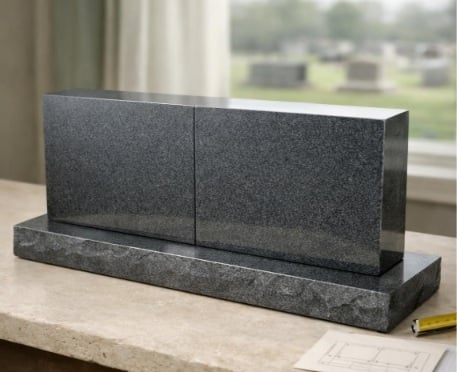
A companion memorial can provide space for two names and other shared or individual details. Both names may be engraved at the same time, or part of the memorial can be reserved for a future inscription. Families can plan ahead for a companion memorial by considering future inscription needs and the complete layout early, helping create a balanced family tribute.
Explore Memorial Styles for Different Burial Spaces
Families considering cemetery headstones, monuments, and grave markers in Albany, NY may have several memorial styles available depending on the burial space, cemetery requirements, and level of personalization desired.
A smaller marker may provide sufficient room for names, dates, and a simple religious symbol, while an upright or companion monument may offer more space for detailed inscriptions, artwork, and future additions. Comparing these possibilities before settling on a design can help families choose a memorial that accommodates both current wishes and future needs.
Is a Simple or More Prominent Shape the Better Fit?
The right level of prominence depends on the person being remembered, the details the family wants to include, and the requirements of the cemetery.
Consider these factors when comparing memorial shapes:
- Consider the person’s style. A simple, low-profile marker may reflect someone who valued privacy, modesty, or a traditional and uncluttered appearance.
- Think about personalization space. A taller or more dimensional memorial can provide additional room for a meaningful verse, portrait, religious imagery, military emblem, or other personal details.
- Review cemetery guidelines. Choose a shape that provides the space you need while meeting memorial planning requirements for the burial space.
- Discuss family preferences. Focus on the qualities everyone associates with the person and decide which details feel most important to preserve.
The goal is not to choose the most prominent memorial, but one that reflects the individual and remains meaningful to family members over time.
How Much Space Is Needed for Names, Dates, and Personal Details?
Before choosing a memorial shape, consider everything the finished design may need to include. Names and dates are the starting point, including preferred names, nicknames, maiden names, titles, or religious names that are meaningful to the family. If an epitaph will be included, decide on the wording early because even a short phrase can affect the amount of available inscription space.
Plan for Future Inscriptions and Shared Memorials
If the memorial may eventually include a spouse, parent, or another family member, consider the complete layout from the beginning. Leaving appropriate space for a second name, dates, or future inscription can help maintain a balanced design and prevent important information from feeling crowded when it is added later.
Allow Space for Symbols and Personal Details
Crosses, angels, floral carvings, military emblems, cultural symbols, portraits, and other personal artwork also require sufficient space to remain clear. Decorative borders and lettering styles can further reduce the usable inscription area, especially on smaller markers. Before approving the final layout, confirm the cemetery’s permitted dimensions and design elements so the memorial has enough room for the details that matter most.
What Should Families Ask the Cemetery?
Before choosing a memorial, confirm the requirements for the specific burial space. A few important questions can help families avoid design or installation changes later.
- Which memorial shapes and dimensions are allowed? Requirements may vary by cemetery section, lot type, and burial space.
- What materials and design features are permitted? Confirm accepted finishes, symbols, portraits, vases, and other details.
- How is installation handled? Ask about scheduling, placement, and who coordinates the installation.
- Can the memorial accommodate a future inscription? This is important when planning a companion or shared memorial.
- What ongoing care should the family expect? Ask how maintenance, landscaping, and seasonal conditions may affect the memorial.
Reviewing these requirements early can help prevent major design changes later. When possible, ask for current cemetery guidelines before finalizing the memorial.
How Can You Make the Final Choice with Confidence?
The final choice should bring together the qualities you want to honor, the details you want included, and the type of memorial that feels appropriate for your loved one. After confirming cemetery requirements, review the complete design as a family to make sure the shape, inscription, and personal elements feel balanced and meaningful.
Families considering cemeteries in Albany, NY can explore memorial and cemetery choices in Albany as they compare available options. For personalized guidance with your memorial plans, contact Catholic Monument Design Center at (518) 589-5577.
Common Questions About Choosing a Headstone
Is an Upright Monument Always Better Than a Flat Marker?
No. An upright monument provides greater visibility and often more room for lettering and artwork, but a flat marker can be equally meaningful. The better choice is one that reflects the person, fits the cemetery section, and provides enough space for the details the family wants included.
Should We Plan for a Second Name on the Memorial?
If the memorial may eventually serve two people, planning ahead can help create a balanced design. A companion memorial can reserve appropriate space for a future name, dates, and other meaningful inscription details.
Do Cemetery Rules Affect Headstone Design?
Yes. Cemetery standards may vary depending on the section and type of burial space. Confirm permitted shapes, dimensions, materials, installation requirements, and decorative features before the final design is approved.
