

Why Personal Memorials Bring Families Comfort and Peace

Personal memorials can give grieving families a lasting place where memories, love, and reflection come together. Families exploring cemeteries in Albany, NY may find that choosing a setting connected to their values can make remembrance feel more personal.
A dedicated place can provide a sense of continuity, allowing relatives to return throughout the years and quietly reflect on the life of someone important to them. The local cemetery grounds are presented as places for celebrating life, visiting memorials, and finding peace in nature.
Reflecting the Life of Someone Special
A personal memorial becomes more meaningful when it reflects the character, beliefs, relationships, and experiences of the person being remembered.
Families may consider meaningful symbols, inscriptions, imagery, or other thoughtful details that represent important parts of a loved one’s story. These elements can help relatives feel that the memorial represents an individual life rather than simply marking a physical location.
How Memorial Details Can Reflect a Loved One’s Life
Different memorial details can help families represent a loved one’s faith, personality, relationships, and family history. Rather than including many elements, families can focus on a few choices that carry genuine meaning.
| Memorial Detail | What It Can Represent | Planning Consideration |
|---|---|---|
| Religious symbol | Faith and spiritual beliefs | Choose imagery connected to meaningful religious traditions |
| Personal inscription | Values, personality, or cherished words | Keep the message meaningful and appropriate for the memorial |
| Family reference | Heritage and relationships | Consider details that connect the individual with family history |
| Meaningful imagery | Interests or important experiences | Select imagery with a clear personal connection |
| Shared family memorial | Connection across generations | Consider how the memorial may remain meaningful to future relatives |
Thoughtfully selected details can help make a memorial feel personal while giving relatives a lasting connection to the individual being remembered. Families can discuss available choices with a Family Advisor to understand which options are appropriate for the selected memorial.
Giving Family Members a Place to Reflect
Grief can change over time, and having a familiar place to visit may support quiet reflection during different stages of remembrance. A cemetery setting can offer families a peaceful environment for private prayer, contemplation, and connection with cherished memories.
Catholic cemetery grounds can also provide fitting places for private prayer and reflection, creating an environment where families can spend meaningful time remembering those they love.
Preserving Meaningful Family Connections
Personal memorials can also strengthen connections between generations. Younger relatives may visit with parents or grandparents and hear stories about family members they never had the opportunity to know personally.
These conversations can preserve family history while helping important memories remain part of future generations. In this way, a memorial can become a meaningful link between the family’s past and present.
Some families also choose to establish a lasting family legacy by purchasing multiple burial plots or mausoleum spaces together during the planning process. Making these arrangements as a family can allow loved ones to remain close while creating a shared place where children, grandchildren, and future generations can gather, reflect, and maintain a meaningful connection to their family’s history.
Choosing Details with Personal Meaning
Families do not need to include numerous details for a memorial to feel deeply personal. A few carefully chosen elements can communicate love, faith, personality, and family history in a sincere way.
Meaningful details may include:
- A favorite religious or personal symbol: Choose imagery that reflects beliefs, values, or an important part of the person’s life.
- A short inscription with special significance: Consider words that hold personal meaning for the individual or family.
- An image representing a meaningful interest: Select imagery connected to something that played an important role in the person’s life.
- A reference to family heritage or tradition: Include a detail that helps preserve an important family connection.
- A phrase that reflects personal values or faith: Choose meaningful words that represent beliefs or principles important to the person being remembered.
Choosing details thoughtfully can create a tribute that feels authentic without becoming overwhelming. The goal is to focus on elements that hold genuine significance for the family and represent the person being remembered.
Finding Comfort Through Faith and Tradition
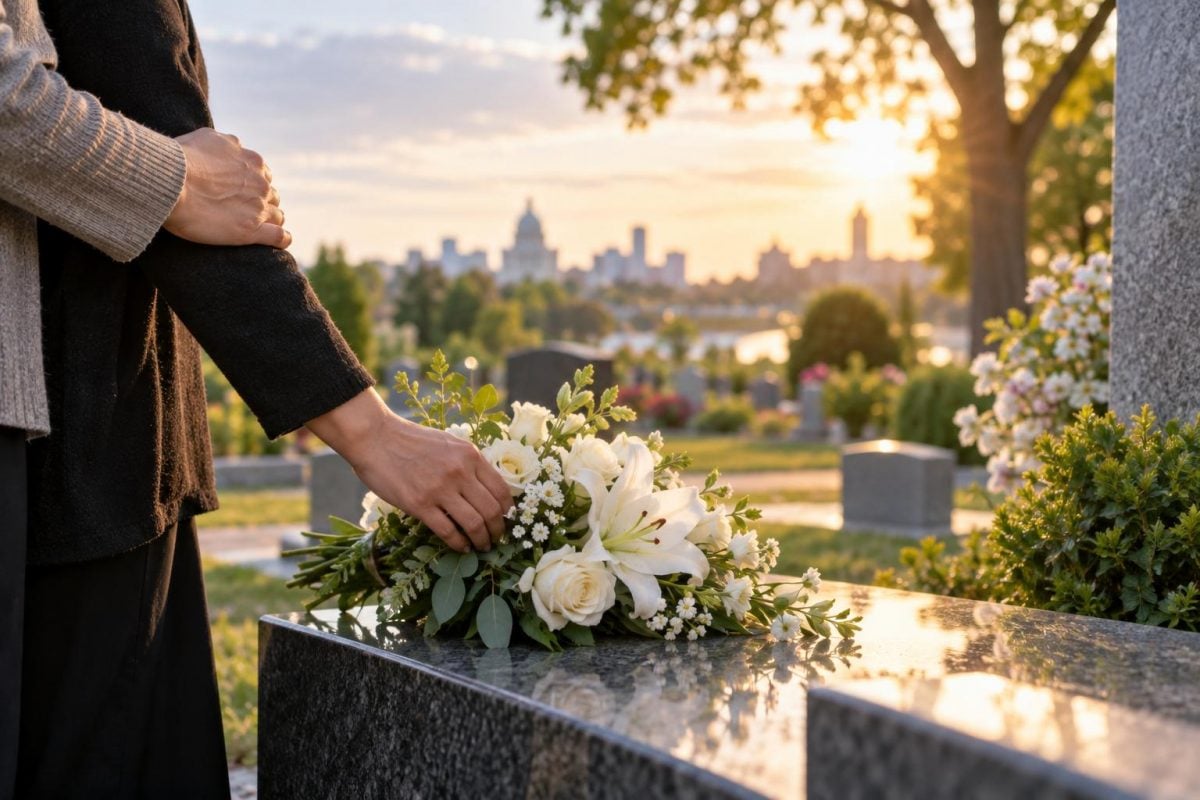
For families whose faith is central to remembrance, a Catholic cemetery can provide a setting shaped by spiritual tradition and hope. The cemetery’s visitor guidance describes these sacred places as settings for ritual prayer, private reflection, and expressions of Christian faith.
Understanding how cemetery memorials preserve personal stories can also help families appreciate how a meaningful place of remembrance keeps memories and family connections present across generations.
This spiritual connection may bring reassurance to relatives who value a setting where remembrance and belief remain closely connected.
Making Decisions Together as a Family
Creating a personal memorial can also encourage helpful conversations among relatives. Family members may share memories, discuss meaningful details, and consider what best represents the person they are honoring.
Listening to different perspectives can help create a tribute that feels thoughtful and inclusive. Cemetery planning guidance can also help families make informed, unhurried decisions that are right for their circumstances.
What Memorial Details Can Families Choose Together?
Families can discuss meaningful symbols, inscriptions, faith traditions, family history, and other personal details that reflect the life being remembered.
Sharing perspectives can help create a memorial that feels sincere and representative of both the individual and the family while ensuring that important memories and traditions are considered.
How Can Memorial Planning Strengthen Family Connections?
Planning together gives relatives an opportunity to share memories, discuss traditions, and consider what they hope future generations will remember.
These conversations can help preserve family stories while creating a shared understanding of what the memorial represents. They may also encourage younger generations to learn more about the people, beliefs, and traditions that have shaped their family.
Supporting Peace Through Advance Planning
Making important decisions ahead of time can give individuals an opportunity to communicate their wishes clearly. It can also help relatives understand personal preferences before those decisions become immediate.
Advance planning can support peace of mind by giving families time to begin conversations with loved ones and consider important choices without feeling rushed. Thoughtful preparation can make remembrance more closely aligned with personal values and family traditions.
Steps for Planning a Personal Memorial
Personal memorial planning does not need to happen all at once. Taking the process step by step can give individuals and families time to consider which details best represent the person, their beliefs, and the memories they hope to preserve.
- Reflect on the person’s life. Consider the relationships, values, faith, interests, and experiences that were especially meaningful.
- Identify meaningful memorial details. Discuss symbols, inscriptions, imagery, or other elements that could represent those important connections.
- Consider family traditions. Think about religious practices, cultural traditions, and family history that relatives may want reflected in the memorial.
- Discuss wishes with loved ones. Sharing preferences can give relatives greater clarity and allow family members to contribute meaningful memories and ideas.
- Review available memorial options. Speak with a Family Advisor about appropriate choices and any cemetery guidelines that may affect the final arrangements.
Taking time to work through these steps can help families create a memorial that feels sincere and personal while preserving meaningful connections for future generations.
Returning During Important Moments
A memorial can remain meaningful long after it is first created. Families may return during anniversaries, birthdays, holidays, or other significant moments to remember and reflect.
Some may prefer quiet individual visits, while others may come together as a family. The ability to return to the same meaningful setting can create a comforting tradition that develops naturally across the years.
These visits can also help younger relatives maintain connections with their family’s history as stories, traditions, and memories continue to be shared from one generation to the next.
Create a Meaningful Place for Family Remembrance
For families considering cemeteries in Albany, NY, Albany Diocesan Cemeteries can provide compassionate guidance as you explore memorial options that reflect your loved one’s life, your family’s traditions, and the memories you hope to preserve.
Explore meaningful memorial options for your loved one with the team or call (518) 374-5319 for personalized guidance and compassionate assistance with the next steps.
