

Designing Monuments That Honor Both Individuals and Families
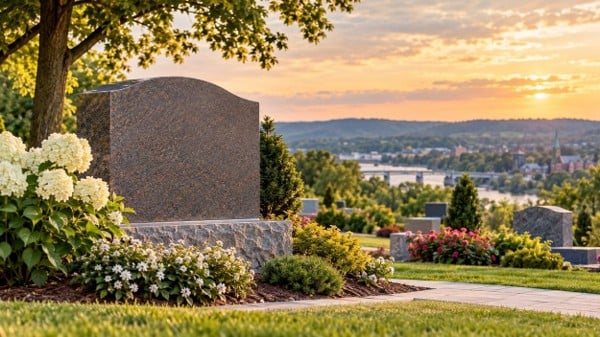
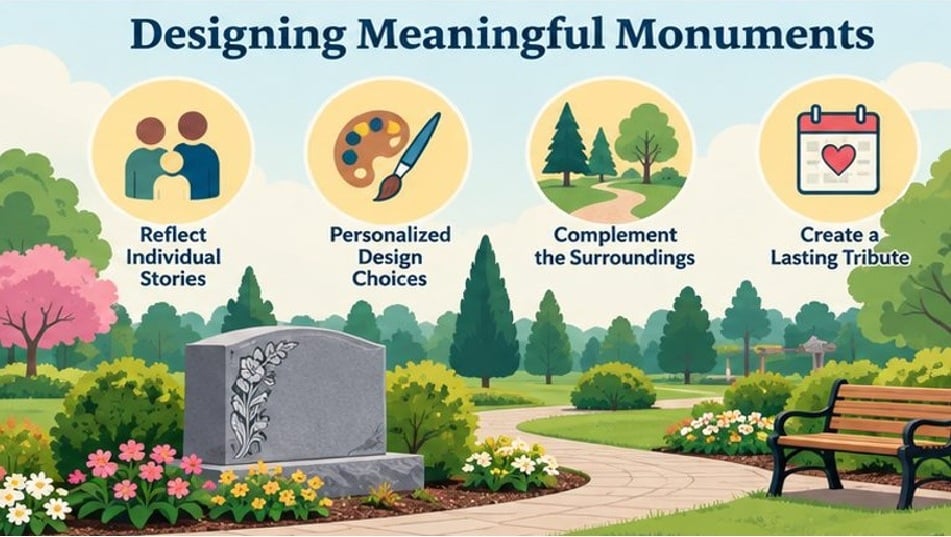
Families exploring cemeteries in Troy, NY often want a lasting tribute that reflects more than names and dates. A thoughtfully designed monument can recognize the character of each person while also expressing the relationships, values, and traditions that connect generations. Beginning with shared memories gives the design a purpose before anyone chooses its shape or wording.
Begin with the Family Story
Every family carries a different history. Some remember generations of close-knit gatherings, while others value quiet acts of kindness, spiritual commitments, or a lifelong dedication to community. Identifying these themes helps relatives decide what the monument should communicate to future visitors.
A useful conversation starts with stories rather than design samples. Ask relatives what they hope someone unfamiliar with the family will understand after seeing the tribute. Their answers may reveal a shared theme without reducing individuals to a single description.
Recognize Each Individual Within a Shared Tribute
A family monument can provide a unified appearance while leaving room for distinct personal details. Names, dates, meaningful phrases, and carefully selected symbols can acknowledge individual lives without overwhelming the overall composition. Consistent lettering and balanced spacing can help each person receive equal attention.
Families should consider how the monument will read from several distances. A large family name may establish continuity, while smaller inscriptions provide personal recognition. The arrangement should remain legible and dignified even as additional generations are remembered.
Choose Symbols with Lasting Meaning
Symbols can express beliefs and connections that words alone may not capture. Religious imagery, a familiar landscape, or a simple decorative motif may reflect what mattered most to the family. Each choice should feel authentic rather than being included solely because it is popular.
For families considering a Catholic cemetery, spiritual imagery may have particular significance. The organization describes its grounds as places for remembrance, prayer, and reflection. Any proposed design should be reviewed against the rules of the selected location before it is finalized.
Balance Personalization and Readability
The strongest designs often rely on a few carefully chosen elements. Excessive wording can make a tribute difficult to read, especially when several individuals share the same space. A restrained layout creates room for names, dates, and a message that remains meaningful over time.
When discussing cemetery locations and memorial planning options in Troy, families can ask about available spaces, permitted dimensions, and how existing memorials relate to the surrounding landscape. These practical details help align the design with the setting.
Gather Ideas Before Making Final Decisions
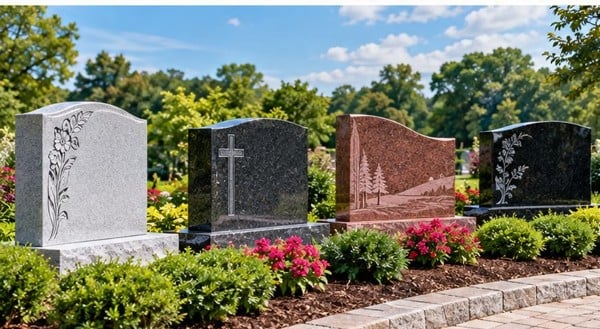
Relatives may have different ideas about what best represents the family. Gathering suggestions in one place can make the process collaborative rather than rushed. A small collection of photographs, favorite sayings, and handwritten recollections may reveal recurring themes.
- Write down the qualities family members remember most.
- Collect meaningful phrases and symbols for consideration.
- Identify names and dates that need careful verification.
- Agree on the overall tone and level of detail.
A short list of priorities can help everyone distinguish essential details from optional decoration. It also gives the family a reference point when comparing layouts and materials later in the process.
Consider the Setting and Long-Term Appearance
A monument belongs to a larger landscape. Its proportions, finish, and placement should complement the surrounding grounds while remaining identifiable to visitors. Natural light, nearby pathways, and neighboring memorials may affect how inscriptions are seen at different times of day.
Families can also compare cemetery and mausoleum choices for family remembrance to better understand how different settings influence the visitor experience. The most appropriate choice depends on personal preferences, available spaces, and site requirements.
Compare Common Design Considerations
The table below highlights common family monument design elements, their significance, and practical considerations to help families make thoughtful decisions.
| Design Element | Family Purpose | Practical Question |
|---|---|---|
| Shared family name | Expresses generational connection | Is the lettering visible from a distance? |
| Individual inscriptions | Recognizes each person | Is enough space available for future names? |
| Meaningful symbol | Reflects beliefs or memories | Does the selected location permit it? |
| Overall proportions | Creates a balanced appearance | Does the design meet site requirements? |
Considering these design elements together can help families create a monument that honors each loved one while preserving a meaningful connection across generations. Reviewing inscriptions, symbols, proportions, and cemetery guidelines with a Family Advisor can also help ensure the final design reflects the family’s wishes and provides a lasting place for remembrance.
Plan for Future Generations
A family monument may be visited by people who never met those first remembered there. Choosing clear language and an enduring visual style can help future generations understand the relationship between the people named. Where future inscriptions are anticipated, families should discuss available space and any applicable approval process.
The design does not need to tell the entire family history. Letters, photographs, and digital records can preserve longer stories, while the physical memorial provides a lasting point of connection. These different forms of remembrance can support one another without competing for space.
Make Decisions Together in a Clear Sequence
A structured process can help relatives feel heard and reduce confusion when multiple people are involved. The following steps keep the discussion focused on meaning, accuracy, and suitability rather than rushing toward a final selection.
- Discuss the shared purpose of the tribute.
- Confirm all names, dates, and proposed wording.
- Review the layout against location requirements.
- Seek agreement before approving the final design.
Families may wish to designate one person to collect feedback and maintain the current draft. Written confirmation of the approved wording is particularly helpful when several relatives participate in decisions from different locations.
Understand the Role of Place in Remembrance
A visit to a family memorial can become part of a personal tradition. Some people pause for quiet reflection, while others share stories with younger relatives. A thoughtful design should support these varied experiences without requiring visitors to interpret a complicated message.
For additional perspective, families can read about mausoleum entombment and family remembrance benefits. Comparing forms of memorialization can clarify what matters most: a sense of continuity, an accessible place to reflect, or an enduring expression of family identity.
Keep the Final Tribute Simple and Personal
A successful monument is not defined by the number of decorative details. It is defined by how thoughtfully those details reflect the people being honored. Careful editing often makes a family message stronger, allowing the essential names, words, and symbols to stand out.
Before approval, review a full-size or scaled layout when one is available. Check spelling, spacing, contrast, and how each element relates to the others. This final review helps ensure the design communicates the intended meaning with clarity and respect.
Frequently Asked Questions
Can One Monument Honor Several Family Members?
Yes. A shared design can bring multiple names together while using inscriptions or symbols to recognize each individual. Available space and cemetery requirements should guide the final arrangement.
How Can Families Choose an Appropriate Inscription?
Begin with accurate names and dates, then select a brief phrase that reflects shared values or memories. Read the wording aloud and review it carefully before approval.
Should Future Family Members Be Considered in the Design?
If additional names may be added later, ask about layout capacity and applicable rules early in the process. This helps prevent avoidable design conflicts.
What Should Families Confirm Before Approving a Monument?
Confirm the wording, dimensions, material, symbols, and any location-specific requirements. A clear written approval process can help relatives make a confident decision.
Discuss Your Family Memorial Plans
For families considering cemeteries in Troy, NY, Albany Diocesan Cemeteries can provide a starting point for discussing meaningful remembrance and applicable cemetery guidelines. To ask questions about locations or planning, contact the cemetery team for personalized guidance or call (518) 374-5319.
