

Choosing a Green Burial Site for Reflection and Remembrance
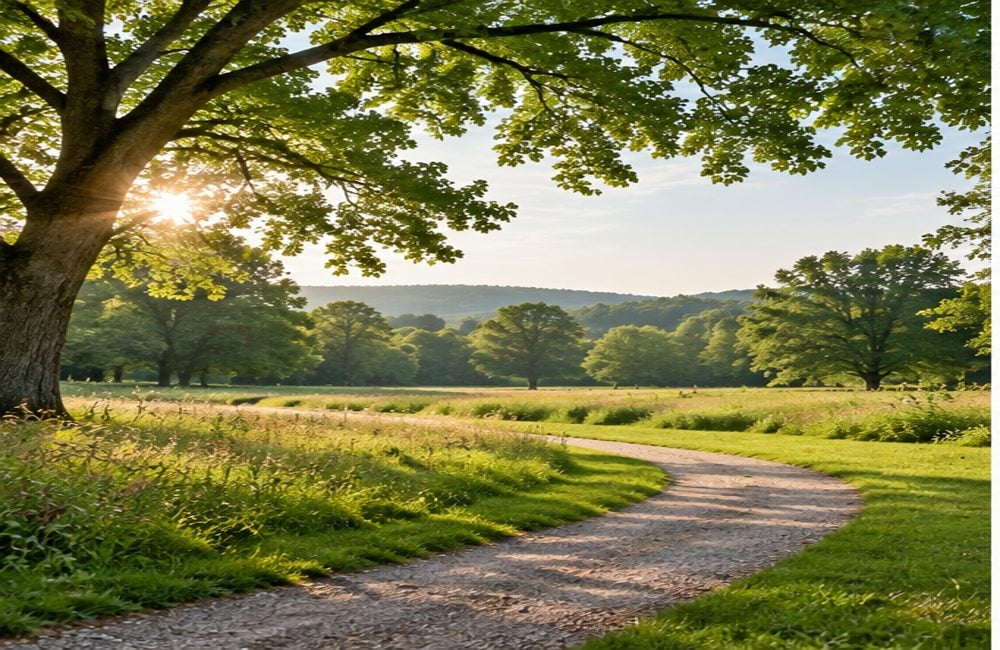
Families exploring cemeteries in Albany, NY may be drawn to green burial because it brings remembrance and the natural landscape into closer conversation. Choosing a suitable place involves more than appreciating a beautiful view. It also means understanding burial practices, visiting conditions, family traditions, and how the setting may feel years into the future.
Understanding the Purpose of a Green Burial Setting
Green burial generally emphasizes a simpler return to the earth through practices intended to reduce environmental impact. Specific requirements differ among burial grounds, so families should ask about approved materials, preparation methods, and site rules before making assumptions. The most suitable choice balances ecological priorities with personal and spiritual values.
A peaceful landscape may also become a familiar gathering place for future generations. Some families picture quiet visits alone, while others hope to return together on anniversaries or meaningful dates. Considering these different patterns of remembrance early can help a site remain welcoming over time.
Looking Beyond the First Impression
A landscape can feel very different across seasons. Trees that provide shade in summer may reveal wide views in winter, and walking routes may change with rain or snow. Visit when possible, observe the terrain, and consider whether the overall atmosphere supports the kind of reflection your family seeks.
The most memorable location is not necessarily the most secluded. For some visitors, a clearly marked path and a place to pause are more important than distance from other activity. Others prefer a woodland edge or open meadow. Neither preference is inherently better; the goal is a setting that feels appropriate for those who will return.
Natural Features That Support Quiet Reflection
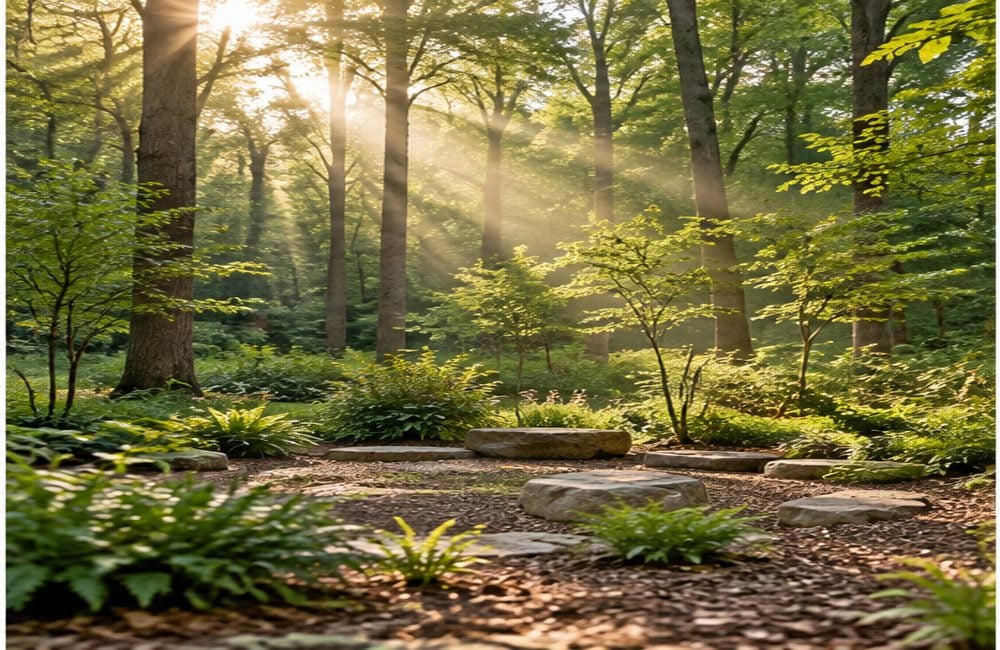
Trees, gentle slopes, open sky, and natural sounds can create a sense of calm. These elements may encourage visitors to spend time remembering a loved one without feeling rushed. However, the beauty of a landscape should be considered alongside drainage, safe footing, and long-term grounds management.
It helps to look at a site from several angles. Notice where the sun falls during common visiting hours, whether benches or rest areas are nearby, and how easily visitors can orient themselves. Small details often shape the experience of returning more than dramatic scenery alone.
Questions to Ask Before Choosing a Location
A conversation with cemetery staff can clarify which green burial arrangements are currently available and what rules apply. Families can begin by reviewing the available green burial choices and site considerations before discussing a specific space. Ask for written guidance whenever an important detail may affect future plans.
- Which natural materials and burial methods are permitted?
- How is the location identified for future family visits?
- What are the visiting routes and seasonal access conditions?
- Which forms of personal remembrance are allowed?
These questions are practical rather than purely administrative. Clear answers help families make a choice they understand and reduce uncertainty for relatives who may be involved later. A visit with several family members can reveal needs that one person might overlook.
Access, Comfort, and Family Needs
An appealing landscape should also be accessible to the people who expect to visit. Consider walking distance, uneven ground, available parking, and how the approach may feel to older relatives or anyone with limited mobility. Ask whether alternate routes are available and what changes with the seasons.
Some families value a quiet location away from busy paths, but isolation can make frequent visits difficult. A thoughtful compromise may be a natural setting near an established route. A practical choice supports both a sense of peace and a continuing connection with the place.
Comparing Site Characteristics
The table below outlines key cemetery site characteristics, including landscape, accessibility, guidelines, and long-term considerations to help families make informed decisions.
| Consideration | What to Observe | Helpful Question |
|---|---|---|
| Landscape | Shade, trees, and open views | How does the site change by season? |
| Access | Paths and walking distance | Can relatives visit comfortably? |
| Guidelines | Approved practices and materials | What written rules apply? |
| Continuity | Site identification and records | How will future visitors locate it? |
Reviewing these site characteristics can help families choose a cemetery setting that reflects their values while supporting meaningful visits for years to come. Considering the natural surroundings, accessibility, cemetery guidelines, and long-term site identification can provide greater clarity and peace of mind. A Family Advisor can also help families understand available options and make thoughtful decisions that honor their loved ones and preserve connections for future generations.
Respecting Faith and Family Traditions
For many families, burial decisions reflect spiritual beliefs as well as environmental priorities. Traditions surrounding prayer, gathering, and remembrance can influence which location feels meaningful. Discuss any religious considerations directly with the cemetery and the people helping plan the farewell.
The choice may also reflect the loved one’s own values. Someone who enjoyed walking outdoors might be remembered through a quiet woodland setting, while another person may have preferred an open landscape. The connection should be personal rather than based on a single idea of what a natural burial must look like.
Planning a Meaningful Visit Before Deciding
A site visit gives families time to consider both emotional and practical questions. Review local cemetery locations and options for family visits and confirm which specific grounds offer the arrangements you are seeking. Online descriptions are useful starting points, but availability and policies should be checked directly.
- Choose a quiet time to walk the available grounds.
- Observe access routes, terrain, and nearby surroundings.
- Ask staff to explain current rules and available spaces.
- Discuss impressions together before making a decision.
Try not to treat the visit as a test with one correct answer. Each family member may notice something different, from the sound of nearby trees to the ease of reaching the site. Giving everyone room to share impressions can make the final decision feel more considered.
How Natural Burial Connects with Long-Term Remembrance
A green burial setting can be part of an ongoing practice of remembering. Families might return for quiet conversation, private prayer, or moments of gratitude. The place itself does not need elaborate additions to hold significance; repeated visits and shared stories can deepen its meaning.
Those interested in the broader purpose of this approach can read about sustainable green burial traditions and meaningful memorial choices. Such background can help relatives understand why simplicity, land stewardship, and personal remembrance may be important parts of the same decision.
A Simple Guide to Thoughtful Site Selection
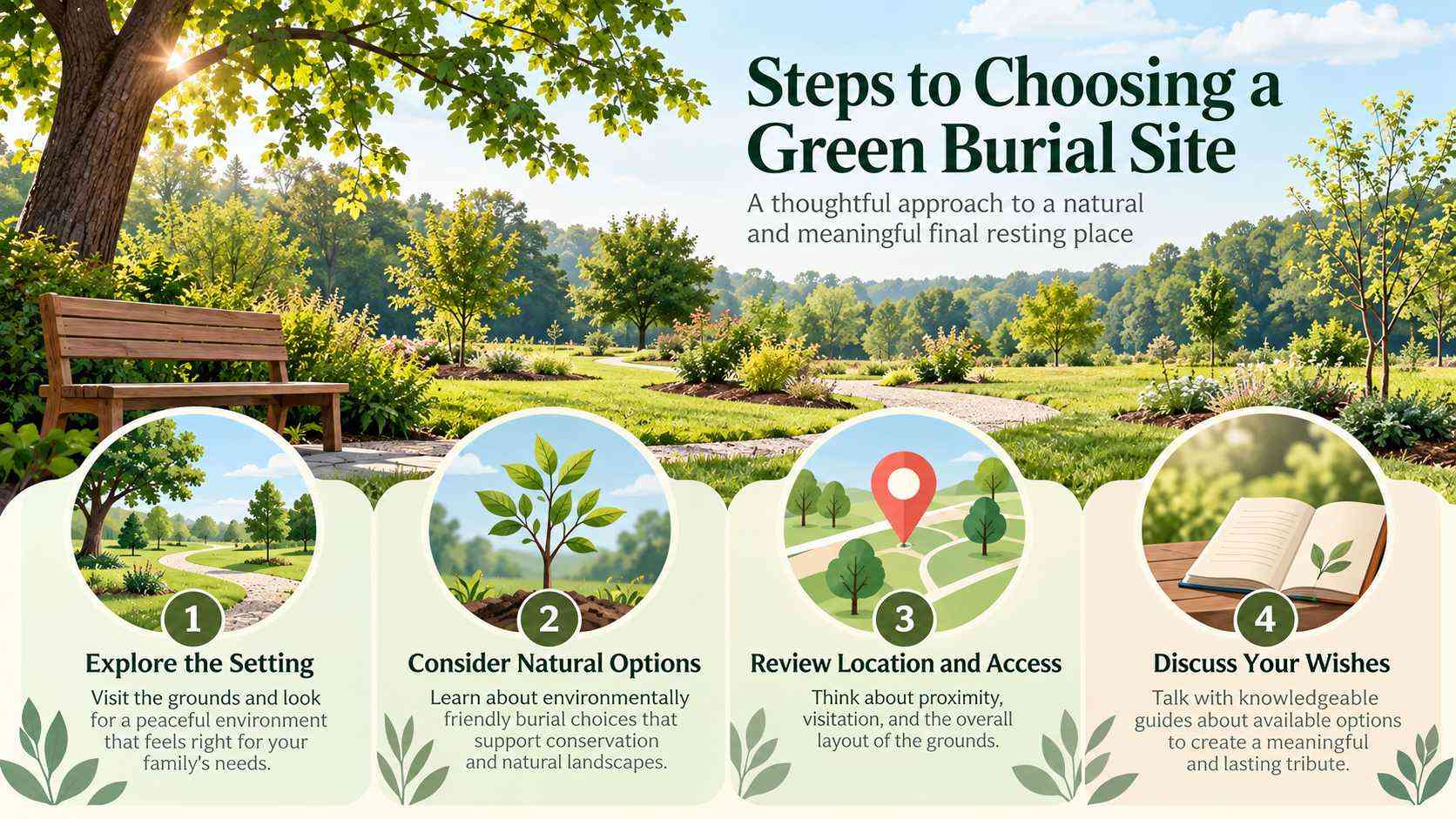
The four themes below can organize a family discussion without making the process feel overly technical. Each theme matters differently depending on the people involved and the options offered by the burial ground.
A useful decision brings together landscape, accessibility, family wishes, and site guidelines. A beautiful setting becomes more meaningful when it also supports future visits and aligns with the arrangements that can actually be made. Keeping these priorities together helps avoid choosing on appearance alone.
Keeping Records for Future Generations
After selecting a location, preserve the information that future relatives may need. Keep copies of the agreement, the exact site identification, contact details, and any written guidance about visiting or personal tributes. Share those records with a trusted family member rather than relying on one person to remember every detail.
It may also be helpful to write down why the family chose the setting. A short account of the loved one’s values, favorite landscapes, or spiritual traditions can become part of the family story. These personal notes give future visitors context that formal records cannot always capture.
Frequently Asked Questions
What makes a green burial site different?
Green burial generally focuses on practices that reduce environmental impact. Exact materials, methods, and site requirements vary, so ask the burial ground for its current guidelines.
Can family members visit a natural burial area?
Visiting arrangements depend on the specific location. Confirm paths, visiting hours, seasonal access, and any restrictions before choosing a site.
How can relatives find the location later?
Ask how the burial ground records and identifies individual spaces. Retain the official location details with other important family documents.
Should everyone in the family help choose?
Including relatives who expect to visit can reveal practical needs and different remembrance preferences. The final choice should also respect the wishes of the person being honored.
Discuss Your Family’s Green Burial Priorities
For families comparing cemeteries in Albany, NY, Albany Diocesan Cemeteries can help clarify relevant options, visiting considerations, and next steps. To ask questions or arrange a conversation, explore ways to contact the cemetery planning team or call (518) 374-5319. Confirm that the selected location and green burial arrangements meet your family’s needs before proceeding.
