

Green Burial Planning for Families Who Value Natural Choices
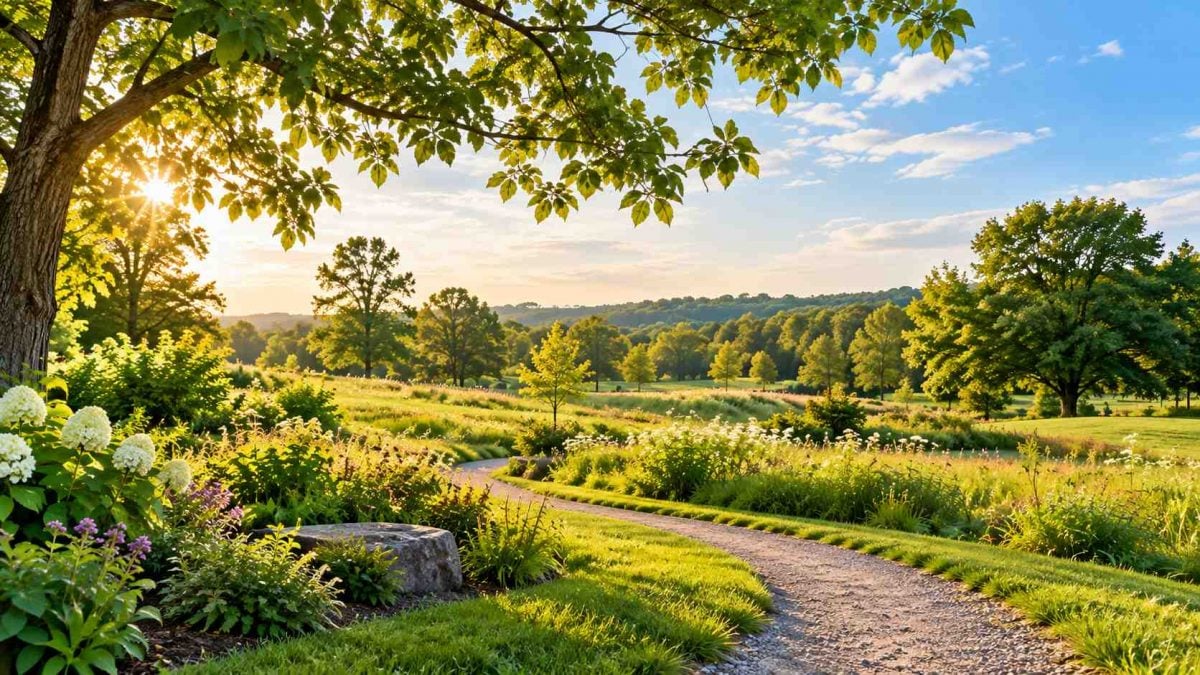
Families researching cemeteries in Schenectady, NY may be drawn to green burial because it brings together a peaceful resting place, thoughtful choices, and respect for the natural environment. Planning begins with understanding what natural burial involves and how a family can express its wishes clearly. Rather than following a single formula, the process calls for a conversation about values, available grounds, and the details that matter most to loved ones.
Understanding the Meaning of Natural Burial
Natural burial emphasizes a gentle return to the earth using materials and practices intended to reduce environmental impact. It is often chosen by people who appreciate simplicity, a meadow landscape, and an approach that feels closely connected to the rhythms of nature. The decision can also reflect spiritual beliefs and a desire for a modest, dignified farewell.
The details depend on the cemetery. Families should avoid assuming that every location has the same rules for burial containers, preparation, landscaping, or personal tributes. Reviewing written guidelines before selecting materials helps keep expectations realistic and prevents last-minute changes.
Choosing a Resting Place That Fits Family Priorities
A location should be considered for both its atmosphere and its practical accessibility. Some relatives value a quiet landscape where they can return for reflection; others place greater importance on travel distance and the ability of older family members to visit. Visiting the grounds, when possible, can make the setting easier to imagine.
The cemetery website describes two natural burial preserves: Kateri Meadow at Most Holy Redeemer Cemetery in Niskayuna and St. Michael’s Meadow at Calvary Cemetery in Glenmont. Both are described as meadow landscapes. Families should confirm current availability and specific arrangements directly with the cemetery before making a commitment.
Materials That Support a Simpler Burial
The published guidelines for natural burial choices and materials specify a burial shroud or a natural biodegradable casket. They also state that burial vaults are not permitted and embalming is not required. These rules help families narrow their choices while still considering the dignity and personal meaning of the farewell.
It can be useful to ask a provider for precise material specifications rather than relying on a product description alone. Finishes, fasteners, fabric blends, and decorative additions may affect whether an item meets cemetery requirements. Families can gather information first, then choose an appropriate option with confidence.
What Families May Want to Clarify
A calm discussion can help relatives distinguish essential wishes from optional details. Useful topics include:
- The preferred natural burial setting and accessibility
- Permitted biodegradable materials and preparation
- Faith traditions and meaningful family participation
- Visitation expectations and long-term grounds guidelines
Comparing Important Planning Considerations
A simple comparison keeps practical questions organized while leaving room for personal preferences. The following guide can help families prepare for a conversation with a cemetery advisor.
Natural Burial Planning Reference
The table below highlights essential considerations for natural burial planning, including location, materials, ceremonies, cemetery guidelines, and documentation to help families make informed decisions.
| Consideration | What to Review | Why It Matters |
|---|---|---|
| Location | Meadow setting and travel access | Supports future family visits |
| Materials | Approved shrouds or biodegradable caskets | Respects burial guidelines |
| Ceremony | Religious rites and family participation | Reflects shared values |
| Grounds | Permitted markers and decorations | Sets long-term expectations |
| Documentation | Recorded wishes and contacts | Makes decisions easier |
Reviewing these considerations together can help families approach natural burial planning with greater clarity and peace of mind. Understanding cemetery guidelines, discussing personal and religious preferences, and documenting important wishes can support thoughtful decisions that honor a loved one’s values. A Family Advisor can provide compassionate guidance to help families explore available options and create a meaningful place of remembrance for future generations.
Respecting Cemetery Rules and the Natural Landscape
A natural setting often follows different expectations from a conventional burial area. At the two published preserves, the cemetery limits markers to natural granite blocks it supplies, which may bear the person’s name and dates of birth and death. Decorations are not permitted. Confirming these rules early helps loved ones understand how the landscape will look over time.
Families can still create meaningful remembrance through stories, shared readings, personal letters kept at home, and visits to the grounds. The most lasting expression of a person’s life may come from the traditions relatives continue together rather than from objects placed at the burial site.
Including Faith and Family Traditions
For families whose beliefs are important, natural burial need not mean setting aside cherished rites. The cemetery describes the continued place of the Vigil, Funeral Liturgy, and Rite of Committal in Catholic funeral traditions. A conversation with appropriate clergy and cemetery staff can clarify timing and expectations for the family.
Even when family members approach the decision from different perspectives, they can often find common ground in the desire for dignity, simplicity, and care. Inviting everyone to explain what a respectful farewell means to them may ease uncertainty and help the group make thoughtful decisions.
Practical Steps for Planning Ahead
Planning does not have to happen in one conversation. Taking a few manageable steps gives relatives time to ask questions and consider their options.
- Write down the person’s preferences and any faith considerations.
- Review the cemetery’s published natural burial guidelines.
- Ask about locations, eligibility, availability, and necessary paperwork.
- Share confirmed decisions with the relatives who may help carry them out.
For a helpful starting point, families can read guidance for discussing green burial with loved ones. The goal is not to settle every detail immediately, but to make wishes easier to understand and respect when decisions eventually need to be made.
Creating Space for Thoughtful Conversations
Discussing end-of-life preferences can feel unfamiliar, especially when family members have different levels of comfort with the subject. Choosing a quiet moment, using open questions, and allowing time for reflection often makes the conversation more constructive. It is helpful to listen for the values beneath each preference rather than focus only on the final decision.
A written summary can prevent misunderstandings later. Families may record preferred grounds, the person’s views on natural materials, important religious customs, and whom to contact for guidance. The record should be kept where trusted relatives can find it and updated when wishes change.
Understanding What to Confirm Before Making Arrangements
A published description is an excellent starting point, but details can evolve. Families should confirm the current process, available spaces, required documents, cemetery rules, and whether any desired ceremonial elements need advance coordination. Asking for written information can make it easier to compare options accurately.
It is also wise to clarify who will coordinate with the funeral professional, cemetery advisor, and faith community. A single-family contact can help information move smoothly while ensuring that other relatives remain informed about decisions that affect them.
A Simple Guide to Natural Burial Decisions
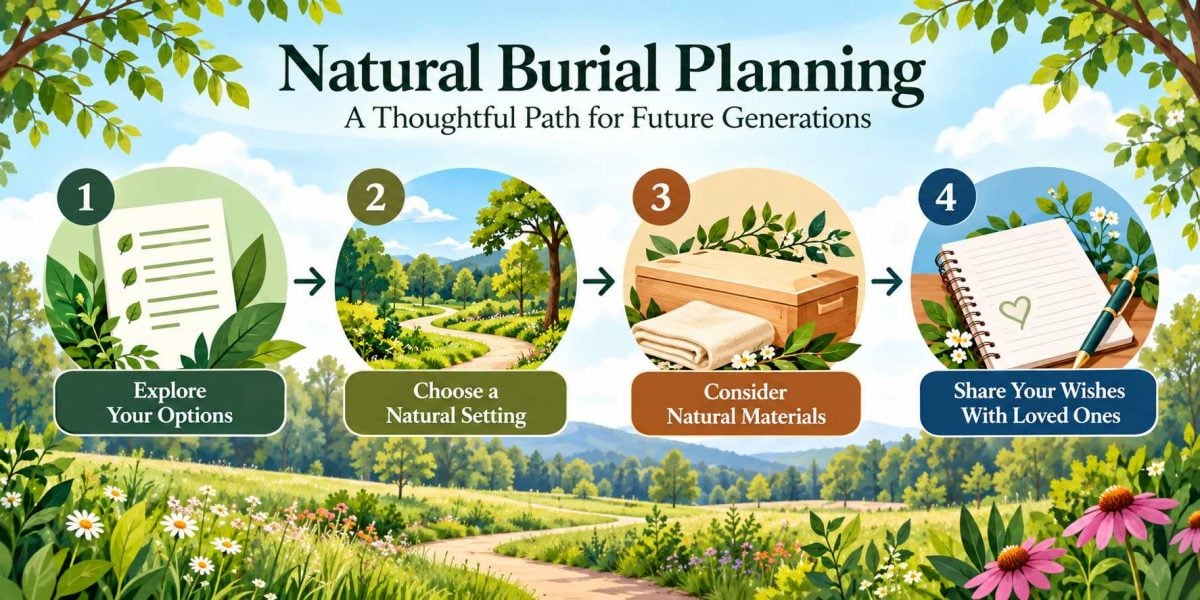
The four themes shown above offer a useful framework: select natural materials, understand the meadow setting, communicate family wishes, and review cemetery guidelines. Each deserves attention, but none needs to overwhelm the process. A well-considered plan allows families to move forward with greater clarity.
Frequently Asked Questions
What makes a burial a natural burial?
It generally emphasizes biodegradable materials and practices intended to reduce environmental impact. Exact requirements vary by cemetery.
Can families include Catholic funeral rites?
Yes. The cemetery explains that traditional Catholic rites can remain part of natural burial arrangements.
Are personal decorations allowed at the natural burial preserves?
The cemetery states that decorations are not permitted at its natural burial preserves. Confirm current policies before planning.
How can families begin discussing green burial?
Start with personal values, preferred location, faith traditions, and questions about cemetery requirements. Record decisions and revisit them as needed.
Compassionate Guidance for Natural Burial Planning
For families considering cemeteries in Schenectady, NY, Albany Diocesan Cemeteries can help explain natural burial options and the guidelines that shape a meaningful farewell. Connect with the cemetery team for planning guidance or call (518) 374-5319 to discuss your family’s wishes, ask questions, and arrange a thoughtful consultation.
