

Cemetery Records and Why They Matter to Future Generations
Burial records are more than administrative files. They are enduring references that protect identity across time by documenting names, dates, and placement information in a structured way. When families search for connections decades later, these records can confirm relationships and provide clarity that memory alone cannot supply. In cemeteries in Albany, NY, well maintained documentation can become a bridge between relatives separated by years, helping future generations understand where they came from and how their family story fits into a larger community narrative.
Historical Insight: A Window into Changing Communities
Records also serve as historical evidence. They can reveal waves of migration, shifts in population, and the growth of neighborhoods over long periods. Scholars use them to study how cities developed, how public health events affected communities, and how traditions changed from one era to another. Even small details like recurring surnames or clusters of dates can point to major local events. When preserved carefully, these archives become a quiet but powerful chronicle of community change.
Family Research: Building Accurate Lineage
For family historians, burial documentation can be a cornerstone source. It helps confirm dates of birth and death, supports the spelling of names, and provides links among relatives that may not appear in other sources. Many families encounter incomplete oral histories, missing papers, or conflicting information in old letters. Reliable records help resolve those conflicts and strengthen the accuracy of a family tree. This matters because future generations deserve a story that is supported by evidence rather than guesswork.
Public Records Alignment: Supporting Verification
Burial records often complement other documentation such as birth registrations, death certificates, newspaper notices, and cemetery records. When information aligns across sources, it increases confidence and reduces uncertainty. When it does not align, burial records can provide an additional reference point for researchers trying to correct mistakes in older documents. This verification role is especially important for historians, archivists, and families who need dependable facts for formal research, writing, or documentation.
Cultural Continuity: Preserving Traditions and Values
Records are not only about dates and names. They can reflect cultural patterns, religious practices, and community values through the language used, the structure of entries, and the way information is organized. Over time, this creates a cultural snapshot that helps future generations understand how earlier communities expressed identity and belonging. By preserving these details, records support cultural continuity and encourage respect for diverse histories within a region.
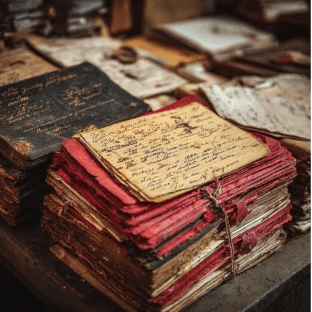
Educational Value: Teaching Research and Responsibility
Students learning local history benefit from structured archives because they demonstrate how evidence is gathered and validated. Records help teach careful reading, cross checking, and ethical handling of sensitive information. They also show how communities organize memory in a responsible way. When young people see how documentation is preserved and referenced, they learn that history is not only a set of stories but also a discipline built on reliable sources and thoughtful stewardship.
Preservation Practices: Ensuring Long Term Access
The value of records depends on how well they are protected over time. Good stewardship includes consistent organization, careful indexing, and secure storage practices that prevent loss and confusion. Digitization and structured databases can improve access, but long-term usefulness still depends on accuracy at the point of entry and ongoing maintenance. When preservation is taken seriously, future generations gain access to information that remains readable, searchable, and trustworthy.
A Legacy of Knowledge for Tomorrow
Burial records matter because they protect identity, strengthen family research, support historical study, and preserve cultural memory in ways that last beyond any single lifetime. They remain one of the most practical tools societies have to ensure future generations can learn from the past with confidence and care. To gain deeper insight into record stewardship and long-term preservation through cemeteries in Albany, NY, contact us today and explore how Albany Diocesan Cemeteries can support your needs and help safeguard history for generations to come.
