

Choosing Cemeteries That Honor Your Family’s Lasting Legacy
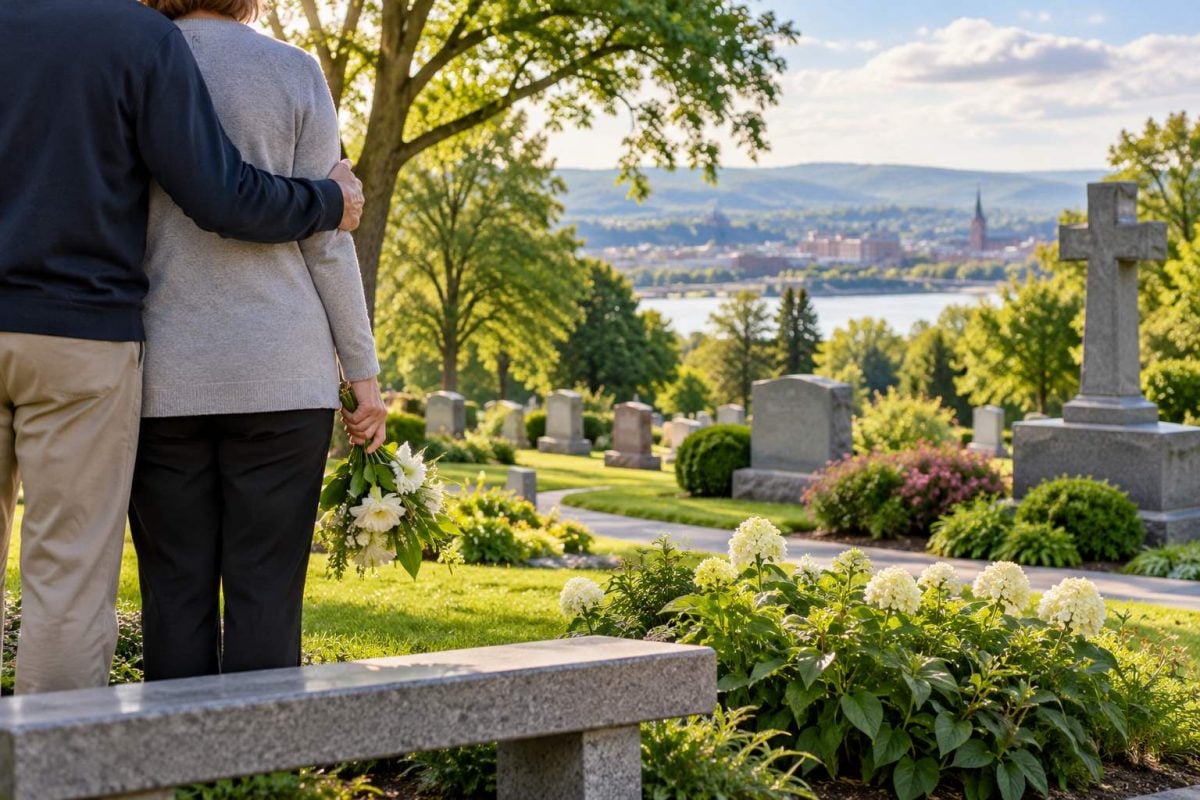
A family legacy is built through shared values, traditions, stories, faith, and memories passed from one generation to the next. Choosing a final resting place can become part of preserving those meaningful connections.
When comparing cemeteries in Troy, NY, families can consider not only their immediate needs but also how a chosen setting may reflect their history and remain meaningful to future generations. Thoughtful cemetery planning can create a lasting place where relatives gather, remember loved ones, and stay connected to the people and traditions that shaped their family.
Begin With the Values That Define Your Family Legacy
Every family has values and traditions that contribute to its unique legacy. For some, faith is central to family life and remembrance. Others may place particular importance on staying geographically close to relatives, maintaining longstanding traditions, or having a peaceful setting where generations can gather and reflect.
Discussing these priorities early gives family members an opportunity to share what they hope to preserve for the future. Consider where relatives currently live, how often they may visit, which traditions hold special meaning, and how remembrance has been approached across generations.
Conversations about choosing meaningful memorials for loved ones can also help families consider how personal values and meaningful memories should be honored. These discussions can lead to informed decisions that respect individual wishes while strengthening a shared family legacy.
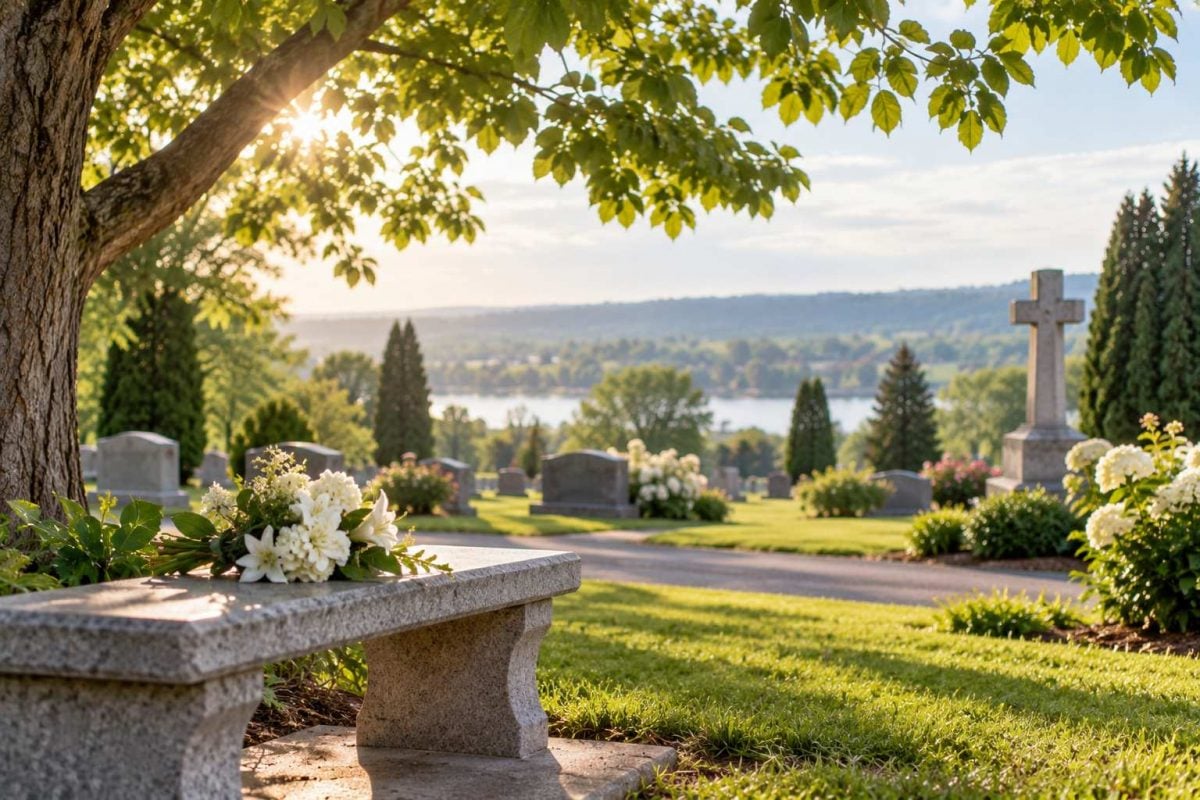
Consider Location and Generational Connections
Location can play an important role in keeping a family legacy connected across generations. A cemetery that is accessible to relatives can make it easier for children, grandchildren, and extended family members to return for reflection, prayer, remembrance, and family traditions.
Troy has Catholic cemetery locations that can help families maintain connections to their community and faith traditions. St. Mary’s Cemetery is located on Brunswick Road, while St. John’s Cemetery is located on Cemetery Road in Troy.
Considering geography alongside family history can help families choose a setting that remains connected to the people, places, and traditions that have shaped their lives.
Honor Faith as Part of Your Family Heritage
For many families, religious beliefs are an important part of the legacy passed from one generation to another. Choosing a cemetery that reflects those beliefs can provide a meaningful setting where faith, prayer, family history, and remembrance remain connected.
Consider how your loved one’s beliefs influenced their life and which spiritual traditions your family hopes to continue. Families can also think about how children and grandchildren may experience the setting years from now.
A place that reflects enduring beliefs and values can preserve an important part of a family legacy while providing future generations with a meaningful connection to their heritage.
Choose a Place Where Family Stories Can Continue
A cemetery can serve as more than a place of remembrance. Over time, it may become a physical connection to family history, giving relatives a place to share stories about parents, grandparents, and earlier generations.
Future family members may visit to learn about relatives they never personally knew. These visits can create opportunities to share memories, explain traditions, and talk about the values that influenced the family over time.
Choosing a meaningful setting can therefore help keep family stories present rather than allowing important connections to fade between generations.
Visit the Grounds with Future Generations in Mind
Seeing a cemetery personally can provide insight that photographs and descriptions cannot fully communicate. A visit gives families an opportunity to experience the atmosphere, understand the layout, and consider whether the surroundings provide an appropriate setting for both present-day remembrance and future family visits.
During your visit, consider these four points:
- Accessibility: Determine whether relatives of different ages and mobility levels can comfortably reach and move through the grounds.
- Atmosphere: Consider whether the surroundings provide the peaceful and respectful character your family values.
- Location: Think about travel time for relatives who may return for remembrance or family traditions.
- Generational connection: Consider whether children, grandchildren, and future relatives could continue to find meaning in the setting.
Looking at the cemetery from a long-term perspective can help families select a place that remains relevant as generations and circumstances change.
Ask Questions That Support Long-Term Planning
Clear information can help families make choices that align with both immediate wishes and long-term legacy goals. A Family Advisor can explain available arrangements, cemetery guidelines, visitor access, religious considerations, and the steps involved in planning ahead.
Prepare questions before your conversation so important details are not overlooked. Families may want to ask about visiting hours, available locations, family arrangements, religious practices, accessibility, and planning procedures.
Gathering this information can make it easier to determine whether a cemetery can support the type of lasting family connection you envision.
Steps for Choosing a Cemetery with Family Legacy in Mind
Choosing a cemetery can involve both present-day needs and the connections a family hopes to preserve in the future. Breaking the decision into a few practical steps can help relatives consider what matters most without feeling overwhelmed.
- Identify important family values. Consider how faith, traditions, family history, and personal beliefs should be reflected in the final resting place.
- Consider location and accessibility. Think about whether children, grandchildren, and other relatives will be able to visit comfortably in the years ahead.
- Explore available family arrangements. Ask about options for relatives who may wish to plan burial plots or mausoleum spaces near one another.
- Visit the cemetery together. Experiencing the grounds can help family members understand the setting and discuss whether it feels appropriate for future remembrance.
- Share decisions with the family. Communicating plans can help relatives understand individual wishes and preserve important details for future generations.
Taking these steps can help families make a thoughtful decision that addresses practical considerations while supporting a lasting connection across generations.
Plan With Children and Grandchildren in Mind
Thinking about future generations can add greater meaning to cemetery planning. Children and grandchildren may someday return to reflect, pray, share family stories, or learn more about relatives who came before them.
A familiar place of remembrance can give them a tangible connection to their family’s history.
Families can consider whether relatives may wish to remain near one another and whether the location is likely to remain accessible over time. Thoughtful planning can establish a recognizable place associated with family heritage, shared traditions, remembrance, and the values that relatives hope to carry forward.
Some families also choose to establish a lasting family legacy by purchasing multiple burial plots or mausoleum spaces together during the planning process. Making these arrangements together can allow loved ones to remain close while creating a shared place where children, grandchildren, and future generations can gather, reflect, and maintain a meaningful connection to their family’s history.
Create Continuity Between Past and Future Generations
Family legacy is often strengthened when younger generations understand where they came from. A meaningful place of remembrance can help connect the experiences of earlier relatives with the lives of those who follow.
Visiting together can become an opportunity for parents and grandparents to share family stories, explain meaningful traditions, and introduce younger relatives to important parts of their heritage.
Over time, these experiences can create continuity between generations and help preserve memories that might otherwise be lost.
Ways Families Can Keep Their Legacy Meaningful
A family legacy can be preserved through the stories, traditions, faith, and shared experiences passed from one generation to the next. Simple acts of remembrance can help children and grandchildren understand their family history while keeping meaningful connections to loved ones present over time.
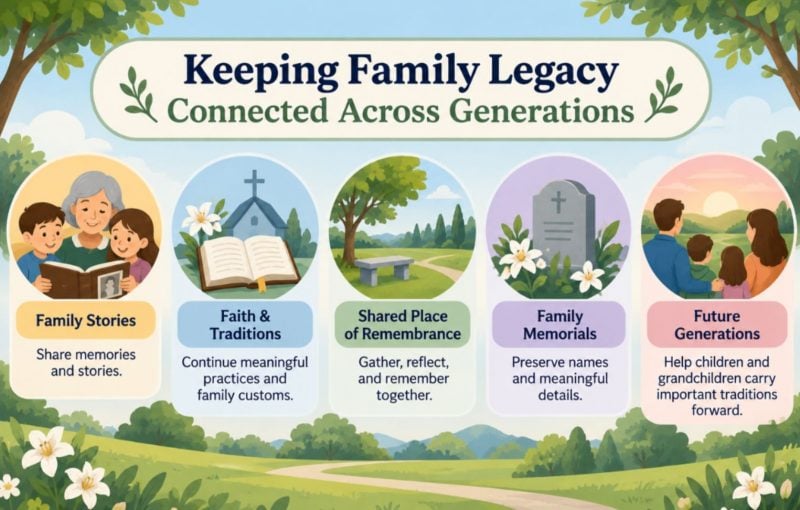
These connections can continue through family stories, meaningful traditions, shared places of remembrance, and memorials that honor those who came before. By involving younger generations, families can help ensure that important memories and values remain part of their family story for years to come.
Make Family Legacy a Shared Decision
Family participation can make cemetery planning more meaningful and help ensure the decision represents more than one perspective. When appropriate, invite close relatives into the conversation and listen to what preserving family legacy means to each person.
One relative may prioritize faith, another may emphasize proximity to family, and another may focus on maintaining a place where future generations can gather. These priorities can work together to create a more complete understanding of what the family hopes to preserve.
A shared decision can ultimately reflect individual wishes while creating a lasting connection for the entire family.
What Should Families Discuss When Planning a Shared Legacy?
Families can discuss faith, traditions, preferred cemetery locations, accessibility, remembrance practices, and whether relatives hope to remain near one another.
These conversations can help identify the priorities that matter most across generations while giving each family member an opportunity to share what preserving the family’s legacy means to them.
How Can Family Planning Keep Generations Connected?
Planning together can create a shared understanding of how the family hopes to preserve its history. A meaningful place of remembrance can give future generations somewhere to gather, reflect, share stories, and maintain connections to relatives who came before them.
Including younger relatives in these conversations can also help family traditions and values remain meaningful as they are passed from one generation to the next.
Frequently Asked Questions
How Can Cemetery Planning Help Preserve a Family Legacy?
Cemetery planning can establish a lasting place where generations gather for remembrance, share family stories, practice traditions, and maintain connections with relatives who came before them.
What Should Families Consider When Choosing a Cemetery?
Families can consider religious beliefs, location, accessibility, family history, traditions, future visits, and whether the setting reflects values they hope to preserve across generations.
Why Should Future Generations Be Considered During Planning?
Children, grandchildren, and later generations may return to the cemetery to remember relatives and learn about their family history. Considering their future experience can help families choose a setting with lasting significance.
How Can Faith Become Part of a Family Legacy?
Religious traditions, prayer, and shared beliefs can form an important part of family heritage. Choosing a setting that reflects those values can help maintain spiritual connections between generations.
Is It Helpful to Discuss Cemetery Planning as a Family?
Yes. Family conversations allow relatives to share their priorities, understand individual wishes, and discuss the traditions and values they want future generations to remember.
Preserve Your Family Legacy Through Thoughtful Planning
For compassionate guidance when considering cemeteries in Troy, NY, Albany Diocesan Cemeteries can help your family make thoughtful choices that honor faith, preserve meaningful traditions, and create a lasting connection for future generations.
Discuss your family legacy planning needs with the team or call (518) 374-5319 for personalized guidance as you consider the next steps for your family.
