

How Families Compare Cemetery Sections for Burial and Memorial Needs
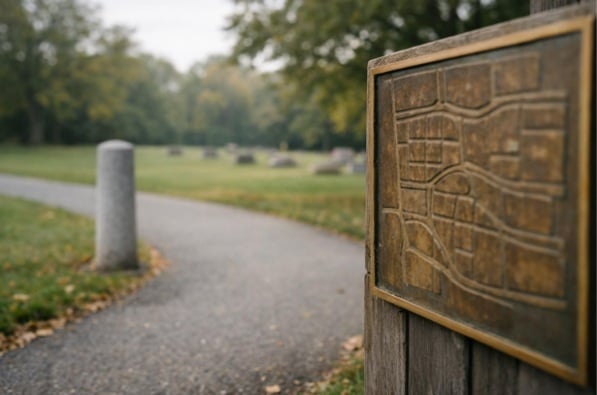
Choose a cemetery section based on how well it can support family visits, memorial preferences, and future needs, rather than simply choosing the area that looks most appealing during the first visit. Families considering cemeteries in Albany, NY may find that accessibility, section guidelines, and long-term family plans become increasingly important after the initial decision.
A thoughtful comparison can help families understand how different sections may affect future visits, memorial choices, and opportunities for relatives to be placed nearby.
Start by Comparing the Same Priorities
A cemetery may have several sections with different settings, purposes, and memorial requirements. One area may feel open and formal, while another may be quieter, more shaded, or closer to a gathering space. Neither setting is automatically more appropriate. The right fit depends on how the family expects to visit, remember, and memorialize the person being honored.
When possible, compare two or three available areas using the same priorities. This helps prevent a peaceful view or strong first impression from overshadowing practical considerations, such as whether older relatives can comfortably reach the space or whether the section can support future family memorial plans.
Consider Location and Accessibility
Location can affect every future visit, particularly during poor weather, holidays, or times when a family member has limited mobility. Look beyond where the space appears on a cemetery map and consider the actual route visitors will use.
| Accessibility Factor | What Families Can Consider |
|---|---|
| Entrances and parking | Consider the distance from the main entrance and available parking, especially for relatives who may have difficulty walking across uneven ground. |
| Roads and pathways | Look for paved or well-defined paths, gradual terrain, and recognizable landmarks that can make the burial space easier to reach. |
| Terrain and drainage | Notice slopes, low areas, and ground conditions that may affect access after rain, snow, or seasonal changes. |
| Shade and exposure | Consider how trees, sunlight, and open surroundings may affect the comfort and appearance of the area throughout the seasons. |
| Nearby activity | Areas near roads or entrances may be more convenient, while secluded sections may offer greater privacy but require additional walking. |
If visiting will be important to several generations, accessibility should be treated as part of the memorial decision rather than as a secondary detail.
Review Burial and Memorial Options
Even within the same cemetery, individual sections may have different requirements for interment and memorialization. Comparing these details early can help families understand whether a particular section supports the type of permanent placement and memorial they have in mind.
Compare Available Interment Choices
Ask which forms of permanent placement are permitted in each section being considered. Depending on the cemetery, options may include traditional ground burial, permanent placement for cremated remains, a niche, or another approved setting.
For families considering cremation, it can be especially helpful to confirm whether the section provides a permanent resting place that supports prayer, remembrance, and future family visits.
Families can also learn more about how burial and memorial choices work together before comparing the specific options available within each cemetery section.
Review Permitted Memorial Styles
Some sections may permit upright monuments, while others may require flat markers or another specific memorial format. Ask about size, material, inscription, placement, and installation requirements before deciding which section best fits the family’s plans.
If religious symbols, family names, photographs, or other meaningful design elements are important, confirm whether those forms of personalization are permitted. The surrounding layout should also be considered so the memorial can be appropriately positioned within the selected space.
Consider Family Connections and Future Needs
A resting place often becomes part of a larger family story. When relatives are already interred within the cemetery, proximity may carry personal meaning and make future family visits more convenient.
Families may also consider how cemetery and memorial choices for families can support their broader plans for remembrance and future family needs.
Look at Nearby and Adjacent Family Spaces
Ask whether spaces are available near existing family members and whether visitors can easily move between those locations. Keeping relatives nearby can make it easier for families to visit several loved ones during the same trip.
If a spouse, sibling, parent, adult child, or another close relative may eventually want placement nearby, ask whether adjacent spaces are available or can be considered for future needs. Availability can change over time, particularly within established cemetery sections.
Think About Shared Memorial Plans
Families may also want to consider how the selected cemetery section could support a shared memorial plan over time. Thinking about these possibilities early can help ensure there is appropriate space for the family’s preferred form of remembrance.
Depending on the family’s plans, consider:
- Companion monuments. These can provide a shared memorial for two loved ones who wish to be remembered together.
- Coordinated markers. Similar or complementary markers can create a visual connection between nearby family burial spaces.
- Larger family memorials. These may provide space for multiple names, inscriptions, or future additions as family memorial needs develop.
For families choosing cremation, permanent placement within the cemetery can also provide a dedicated location where future generations know where to visit and remember their loved one. Discussing shared memorial possibilities early can help the family choose a section that supports both current wishes and future memorial needs.
Compare the Setting and Visiting Experience
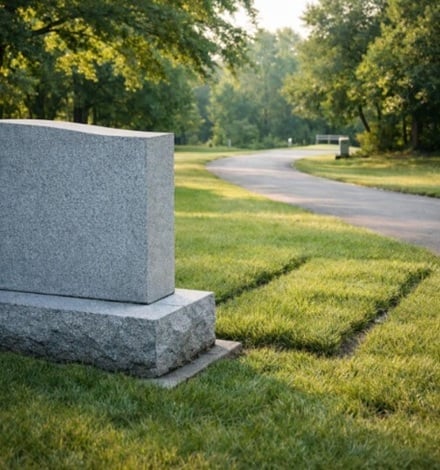
A cemetery section becomes more than a burial location. Over time, it may become a familiar place where relatives gather, reflect, pray, leave flowers, and remember important moments in a loved one’s life. When comparing sections, consider how the surroundings may support those experiences in the years ahead.
Does the Setting Reflect Your Loved One?
Families may feel drawn to different surroundings based on the person being remembered. Some may appreciate an open lawn with a spacious view, while others may prefer a quieter area near trees, religious features, or established family memorials.
Rather than choosing a section based on appearance alone, consider whether the setting feels consistent with your loved one’s personality, faith, traditions, or the way your family hopes to remember them.
Will the Space Support Meaningful Family Visits?
Think about how relatives may use the space after the burial. Some families may visit individually for quiet reflection, while others may gather on anniversaries, birthdays, religious observances, or other meaningful dates.
Consider whether the surrounding area provides enough room for relatives to gather respectfully without interfering with neighboring memorials. A setting that supports the family’s way of remembering can continue to hold meaning long after the initial arrangements are complete.
Could the Location Remain Meaningful for Future Generations?
The people visiting the cemetery may change over time. Children and grandchildren who were not involved in the original decision may eventually return to learn about relatives, continue family traditions, or simply spend time at the memorial.
Choosing a section with recognizable surroundings and a meaningful connection to the family’s history can help the resting place remain part of the family’s story for future generations.
Questions to Ask Before Choosing a Cemetery Section
A short list of consistent questions can help families compare cemetery sections more clearly, especially when several options are being considered.
- Which sections best meet our family’s current and future needs? Consider availability, preferred placement, family proximity, and whether nearby spaces may be important later.
- What burial and memorial options are permitted? Confirm the forms of permanent placement as well as marker or monument requirements for each section.
- What should we know about visiting throughout the year? Ask about parking, pathways, seasonal access, drainage, and other conditions that may affect future visits.
- Are there section-specific guidelines we should understand? Review approval requirements, maintenance policies, decoration rules, and other restrictions that could affect the family’s plans.
When possible, include other family decision-makers in the discussion. Using the same questions for each section can make meaningful differences easier to recognize without making the decision feel more complicated than necessary.
Choose a Cemetery Section with the Future in Mind
The final decision should balance a meaningful setting with the practical needs the family may have over time. Consider accessibility, memorial compatibility, family connections, and future plans alongside the appearance and atmosphere of the cemetery section.
When comparing cemeteries in Albany, NY, families can ask about memorial planning for their family with Catholic Monument Design Center and discuss how their choices may complement burial and long-term family plans. Call (518) 589-5577 for thoughtful guidance.
