

Family Headstones in Schenectady: Future Inscription Planning
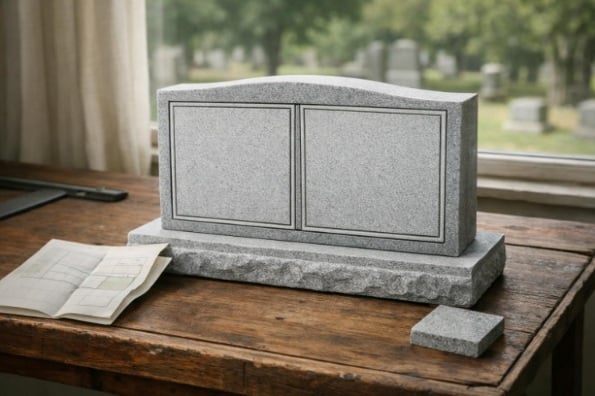
A family headstone is both a memorial choice and a future-planning decision. Families considering cemeteries in Schenectady, NY may benefit from deciding early who the monument may represent, which names should appear, and what space should remain open for later inscriptions.
The most difficult part is rarely choosing a stone color or symbol. It is creating a design that will continue to work years from now, when another family member may need to be added. Thoughtful planning can provide loved ones with a permanent place to visit while reducing avoidable decisions during a future loss.
Start with the Family’s Long-Term Memorial Plan
Before reviewing monument styles, consider who the memorial is intended to represent. It may be designed for spouses, parents and children, or other family members sharing a burial space. The plan may also depend on whether the monument will identify traditional burial spaces, cremated remains, or multiple resting places within a family plot.
Preferred names should also be discussed early. A full legal name may not always be what someone wants remembered. Nicknames, maiden names, religious wording, military recognition, or other meaningful details can influence the amount of inscription space required. Agreeing on these preferences before the design begins can help prevent uncertainty about wording and placement later.
Confirm Cemetery Requirements Before Choosing a Monument
The cemetery’s memorial requirements should guide the design from the beginning. A monument that appears appropriate on paper may not be permitted in a particular section if its size, material, placement, or foundation does not meet current standards.
Review the Approved Monument Style and Dimensions
Confirm whether the burial space permits an upright monument, flush marker, bevel marker, or another memorial style. Families should also verify approved dimensions, placement requirements, materials, finishes, and any foundation standards that may affect installation.
Requirements can vary between cemetery sections, so information remembered from another burial or from years ago may no longer apply. Current guidance should be reviewed before the family approves the monument design.
Ask About Future Engraving Requirements
If another inscription may eventually be added, ask how the cemetery handles work on an existing monument. Knowing whether additional approval is required and what information will need to be provided can make future arrangements easier for relatives.
This is particularly important for family monuments intended to remain in use for many years. The original design should work within today’s requirements while leaving a practical path for later additions.
Leave Intentional Space for Future Inscriptions
A family monument needs enough open area for names and dates that are not yet known. This does not mean the stone needs to look unfinished. Instead, the layout can be designed so future additions appear intentional rather than squeezed into whatever space remains.
Begin with details that are already certain, such as a shared surname, religious emblem, meaningful symbol, or established family phrase. From there, balanced areas can be reserved for individual names and dates. When two people are expected to share the memorial, giving each inscription similar visual weight can help the finished monument remain cohesive.
Keep Personalization from Crowding the Design
Decorative borders, photographs, floral elements, religious symbols, and longer wording can add personal meaning, but they also use valuable inscription space. A design that looks spacious on a proof may feel much more crowded once future information is added.
Readability should therefore be considered from a normal viewing distance, not only when examining a design proof closely. Leaving sufficient open space can protect both the appearance of the monument and the family’s ability to add information later.
Decide What to Engrave Now and What Can Wait
Some information is permanent and already known. A shared surname, confirmed names, birth dates, religious symbols, or wording agreed upon by the family may be appropriate to include when the monument is first placed.
Other information can remain intentionally open. Future dates, final name formatting, or personal wording that has not yet been decided do not need to be settled prematurely. Leaving appropriate space is part of planning the memorial, not an indication that the design is incomplete.
Why Should Some Details Remain Open?
Family circumstances and preferences can change over time. Adult children, spouses, or blended families may eventually need to make decisions that cannot reasonably be predicted when the monument is first created.
Allowing room for those decisions can help relatives preserve the original design without being restricted by choices that were made too early. The goal is to establish enough structure for consistency while leaving flexibility where it may eventually be needed.
Keep Memorial Records for Future Family Members
A family headstone may remain in place for generations, while the people who originally selected it may no longer be available to explain the plan. Keeping clear records can help future relatives understand what was approved and how the memorial was intended to develop over time.
Save the cemetery section and lot information, approved monument design, photographs of the installed marker, placement paperwork, and a copy of the inscription layout. Notes about preferred name spellings, maiden names, religious wording, or the intended order of future inscriptions can also be valuable.
Choose Family Contacts for Memorial Records
Consider asking one or two relatives to retain copies of the records and making sure other close family members know who has them. This can prevent important information from becoming scattered or difficult to locate years later.
Written records are especially helpful when a future inscription is needed. Instead of trying to reconstruct the original plan, relatives can refer to the approved layout and understand which areas were intentionally reserved.
Plan Ahead for a Future Inscription Request
When another inscription eventually becomes necessary, begin by verifying the cemetery’s current requirements and reviewing the existing monument. Its condition, material, layout, and available inscription space should be confirmed before additional engraving is arranged.
Names, dates, spelling, punctuation, and wording should be checked carefully before approval. The new inscription should also follow the original lettering, spacing, and placement as closely as practical so it feels like part of the original memorial rather than a separate addition.
Review the Monument Before Additional Engraving
A current photograph can help document the condition of the monument and show exactly where the new inscription is intended to go. If the stone has aged or changed since installation, its condition may also need to be considered before work begins.
Once the engraving is completed, the family can review the memorial to confirm that the new information matches what was approved. Having a clear process in place can make this future responsibility easier to manage.
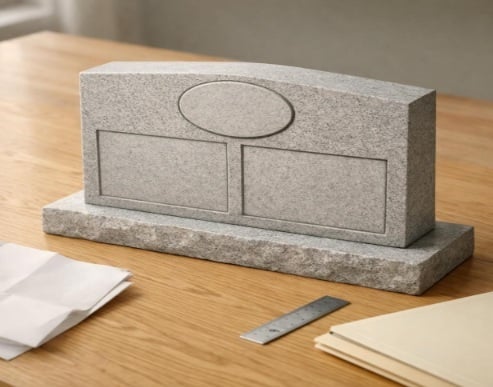
Questions to Ask Before Finalizing a Family Headstone
Before approving a family monument, review the decisions that could affect both the initial design and future inscriptions. A few focused questions can help identify issues before the stone is ordered.
- What monument styles and dimensions are permitted? Confirm the requirements for the specific cemetery section.
- How much space should remain for future inscriptions? Make sure additional names and dates can fit without crowding the design.
- Can additional engraving be completed after installation? Ask about the cemetery’s current approval process.
- Will the design remain readable after future additions? Consider lettering, spacing, and decorative details from a normal viewing distance.
- What records should the family keep? Save location information, design approvals, photographs, and future inscription instructions.
These questions can help families create a monument that works for the present while remaining practical for relatives who may need to make additions years later.
Create a Family Memorial That Can Carry Forward
A dedicated resting place can provide more than a location. A carefully planned family monument creates a permanent record, offers a place for remembrance, and gives future generations a clearer way to continue honoring loved ones.
Families comparing memorial planning options in Schenectady can consider future inscription needs as part of the design from the beginning. For personalized guidance with your family’s memorial plans, contact Catholic Monument Design Center at (518) 589-5577.
Common Questions About Family Headstones
Can a Headstone Be Engraved Again After It Is Installed?
In many cases, yes. Families can review cemetery and mausoleum options while confirming whether the marker has suitable space, is in appropriate condition, and meets current requirements for additional work. Keeping the original design information can also make future engraving easier to coordinate.
How Much Space Should Be Left for Future Inscriptions?
Leave enough room for the expected number of names, dates, and consistent lettering. The exact amount depends on the marker size, planned wording, and decorative elements. A balanced layout is generally more important than filling every available area.
What Should Be Decided Before Ordering a Family Monument?
Confirm who the monument is intended to represent, preferred names, shared wording, and whether space should be reserved for future inscriptions. Cemetery requirements for size, placement, material, and installation should also be reviewed before approving the design.
