

How Monument Designs Can Reflect a Meaningful Family Legacy
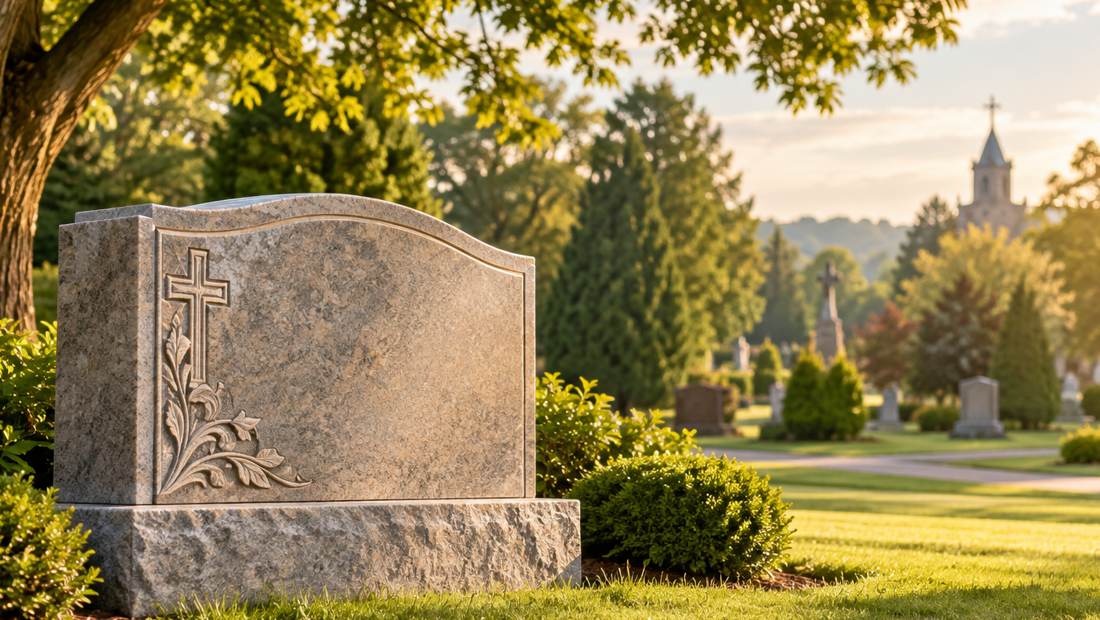
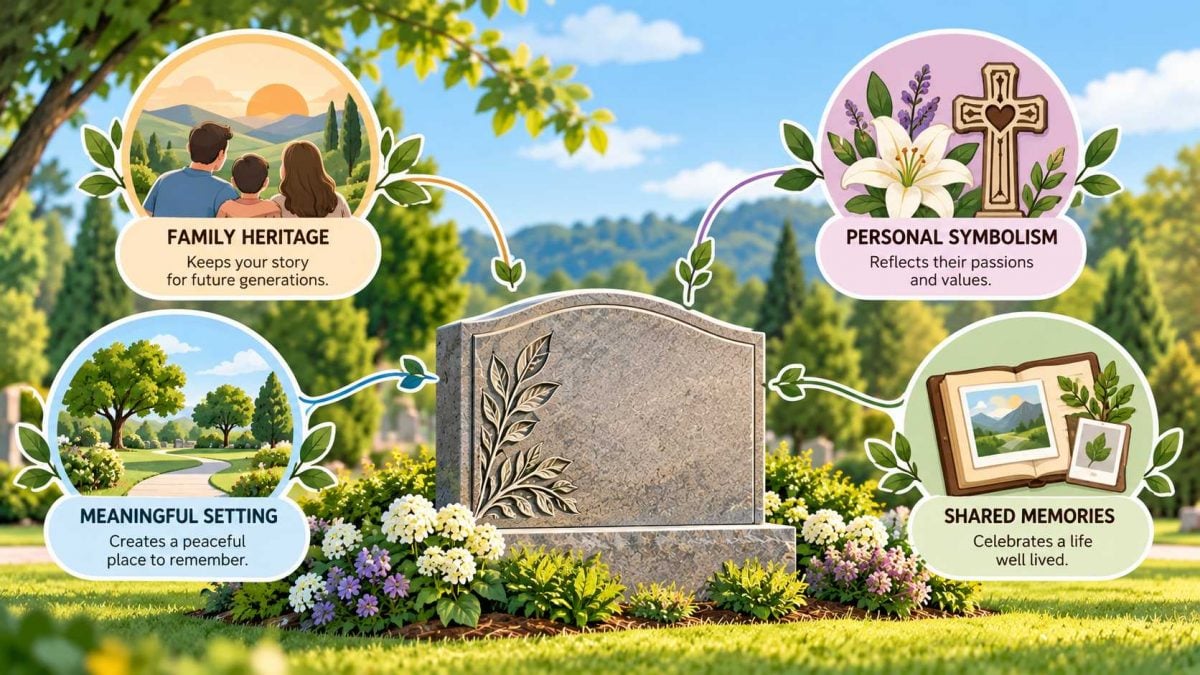
Families considering cemeteries in Schenectady, NY often seek more than a place of remembrance. They hope to express a life story in a lasting form that future generations can understand. Thoughtful design brings together personal identity, shared beliefs, and meaningful details while creating a quiet setting for reflection.
Why a Family Legacy Deserves Thoughtful Design
A lasting tribute can help children and grandchildren connect with people they may never have met. Its appearance, wording, and setting can communicate family values without needing an elaborate presentation. Families often find that simple, carefully selected details hold more emotional meaning than a crowded arrangement.
The planning process also creates opportunities to share memories. Conversations about a loved one’s interests, favorite expressions, accomplishments, and acts of kindness can reveal common themes. Those themes become useful guides when relatives must choose a design that feels personal and respectful.
Begin With the Stories That Matter Most
Before choosing shapes or decorative elements, families can gather stories from relatives and friends. A few memories may reveal how a person showed care, practiced faith, supported neighbors, or passed down traditions. These details provide a stronger starting point than selecting an appearance without considering its meaning.
Family photographs, letters, recipes, and recorded recollections can help clarify which characteristics deserve emphasis. Not every detail needs to appear in a permanent tribute. The goal is to identify a central message that remains recognizable and meaningful across generations.
Identify the Most Meaningful Personal Details
Some families focus on a person’s role as a parent, grandparent, mentor, or friend. Others emphasize a lifelong commitment to faith, learning, music, or community. A coherent tribute usually highlights a few related ideas rather than attempting to summarize an entire lifetime in a small space.
Use Symbols to Express Shared Values
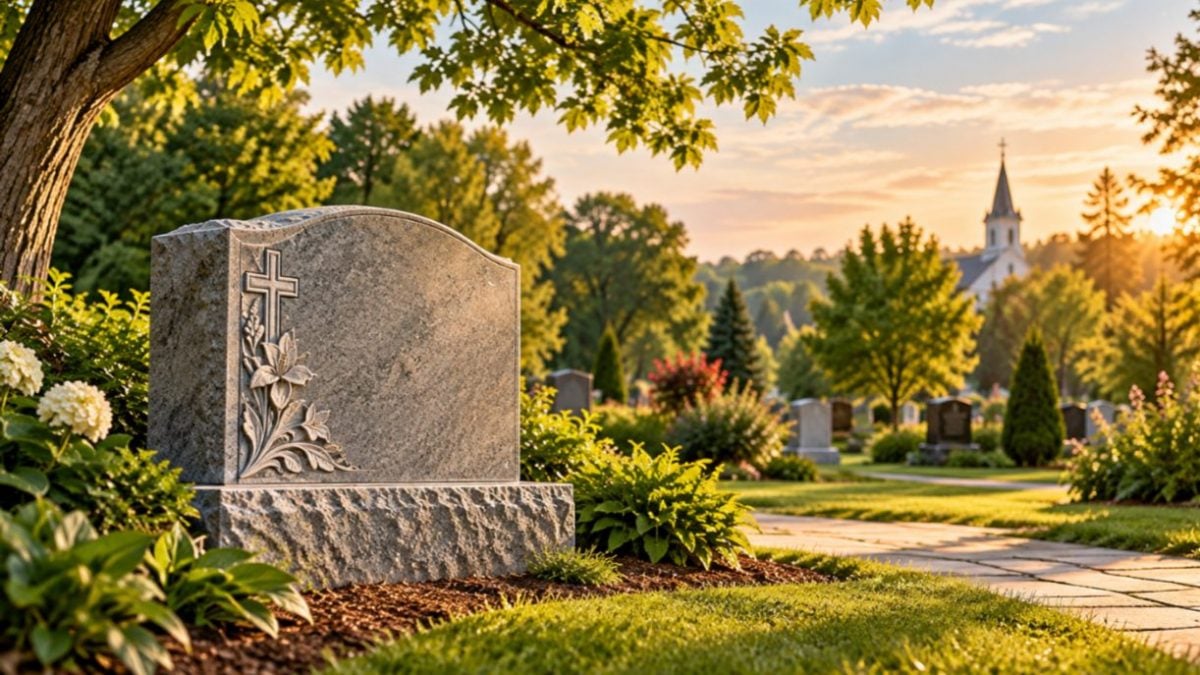
Symbols offer a quiet visual language. A cross may reflect Christian faith, while a book can suggest learning or a love of reading. A simple border or natural motif may represent steadiness, renewal, or connection to the outdoors. The intended meaning should be discussed with family members rather than assumed.
Design decisions may include the following elements:
- A meaningful faith or heritage symbol
- A short inscription that reflects character
- A balanced shape with clear proportions
- A visual detail connected to family tradition
Each element should contribute to the overall message. If a design includes too many competing symbols, visitors may struggle to recognize what mattered most. Choosing fewer, stronger details can create a more enduring expression of remembrance.
Balance Personal Meaning with a Peaceful Setting
The surrounding landscape influences how a tribute is experienced. Nearby paths, greenery, neighboring memorials, and available space can affect scale and placement. A design that complements its setting can feel welcoming to visitors while preserving the individual character of the person remembered.
Families can review the available options and discuss how materials, inscriptions, and surrounding features work together. The organization describes memorial choices through its Catholic design center, including granite and bronze options. Specific choices and cemetery requirements should be confirmed before a final decision.
For an overview of possible approaches, families may explore memorial choices and personalized design considerations while comparing ideas that fit the setting and their traditions. The most appropriate choice is one that reflects the person and remains understandable to future visitors.
Compare Common Design Decisions
A simple comparison can help relatives separate emotional preferences from practical questions. The following considerations are discussion prompts rather than rules, because the available options may differ by location.
| Design Element | Personal Meaning | Question to Discuss |
|---|---|---|
| Inscription | Captures values or relationships | Which words will endure? |
| Symbol | Reflects faith or interests | Does everyone understand it? |
| Shape | Sets a visual tone | Does it suit the setting? |
| Material | Creates texture and contrast | What options are permitted? |
Considering these design elements together can help families create a memorial that reflects their loved one’s personality, faith, and cherished memories. Taking time to discuss meaningful details while reviewing available materials and cemetery guidelines can support thoughtful decisions. A Family Advisor can also provide guidance to help ensure the final design honors personal wishes and creates a lasting place of remembrance for future generations.
Make Decisions Together Without Rushing
A shared decision can be meaningful, but family members may remember the same person differently. One relative might prefer a traditional expression, while another favors a personal symbol. Listening for the values behind those preferences often reveals a common purpose.
An orderly discussion can help everyone contribute while keeping the process manageable:
- Gather stories and identify two or three themes.
- Review permitted designs and available spaces.
- Choose wording and symbols that support the themes.
- Confirm details with the cemetery before approval.
When opinions differ, returning to the loved one’s character can help. A tribute does not have to include every family memory to be meaningful. Other stories can be preserved through photo albums, recorded interviews, and shared family archives.
Connect the Tribute with Future Generations
A permanent place of remembrance can become part of a larger family tradition. Relatives may visit on anniversaries, tell stories to younger family members, or use the setting for quiet prayer. Repeated visits can deepen the connection between personal memory and a shared family history.
Families may also find ideas by reading about ways thoughtful family legacy planning connects generations. Written stories and digital photographs can complement a physical tribute by preserving details that do not fit within a brief inscription.
Keep the Design Clear and Timeless
Readability matters because future visitors may not know the story behind every detail. Clear lettering, thoughtful spacing, and a restrained arrangement can help an inscription remain approachable. Families can consider how the design will appear from a normal viewing distance rather than only on a small proof.
Timelessness does not require a generic design. A distinctive symbol or phrase can be memorable when it is chosen with care. The strongest choices often combine a recognizable personal detail with an uncomplicated overall composition.
Respect Faith and Family Traditions
For families whose faith is central to remembrance, religious imagery may offer a familiar expression of hope and continuity. Others may place greater emphasis on family relationships and personal character. These approaches can complement one another when the design reflects the person’s own beliefs and values.
It can help to ask older relatives about longstanding traditions before finalizing an inscription. Family customs sometimes carry meanings that are not obvious to younger generations. Including those perspectives can make the final design more inclusive and historically grounded.
Choose a Place for Reflection and Connection
A meaningful remembrance setting offers space for visitors to reflect at their own pace. The surrounding grounds, walking routes, and nearby features can influence how relatives experience a visit. Families may want to consider accessibility and practical visiting needs along with appearance.
When a design feels connected to its setting, it can support quiet moments of remembrance over many years. The result is not simply a visual marker of the past, but a place where family members can continue to share stories and renew connections.
Frequently Asked Questions
What makes a memorial design personal?
Personal meaning comes from thoughtful choices about wording, symbols, family history, and values. A simple detail connected to the individual can be especially powerful.
Should every family member help choose the design?
Inviting different perspectives can improve understanding, but a manageable decision process is important. Families can agree on shared themes before discussing specific details.
How can families preserve more than an inscription?
Photographs, recorded stories, written memories, and family archives can preserve context that a brief inscription cannot contain.
Why should cemetery guidelines be reviewed early?
Requirements may affect dimensions, materials, placement, and other design details. Confirming them early can help families make informed choices.
Plan a Meaningful Family Tribute
Albany Diocesan Cemeteries welcomes families exploring cemeteries in Schenectady, NY and thoughtful ways to preserve a loved one’s legacy. To discuss available memorial choices, ask questions about the setting, or receive guidance on meaningful memorial choices, please call (518) 374-5319. Compassionate guidance can help you choose details that honor cherished memories and family traditions.
