

Benefits of Mausoleums for Thoughtful Burial Planning
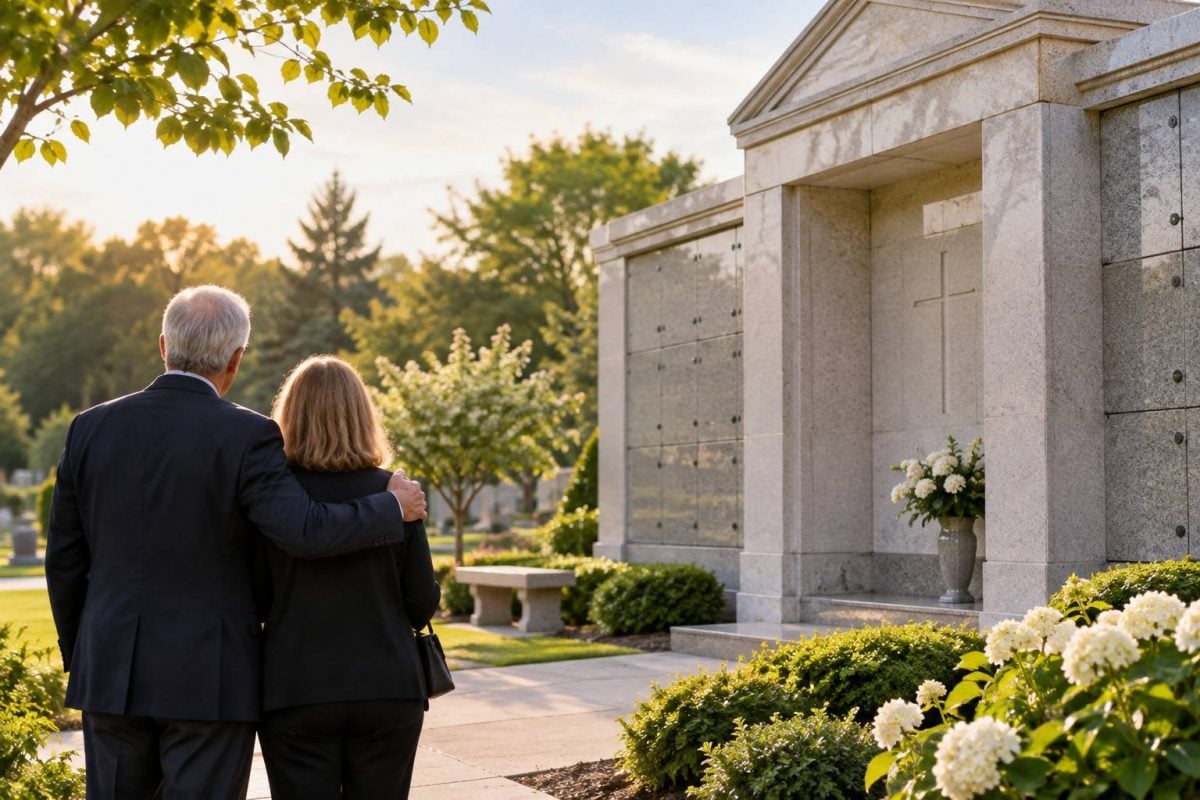
Choosing a final resting place is an important decision that can reflect personal beliefs, family traditions, and wishes for future remembrance. Families researching cemeteries in Albany, NY may consider mausoleum burial when seeking an above-ground setting that provides a permanent place for reflection.
Mausoleums can support thoughtful planning by giving individuals time to consider how they want to be remembered and how relatives may visit in the years ahead.
Understanding Mausoleum Burial
A mausoleum provides above-ground burial and entombment options. Community mausoleums can accommodate multiple individuals within one thoughtfully designed setting, while private family mausoleums may provide a more personal arrangement for relatives.
Family heritage lots can also accommodate a private family mausoleum, giving families another way to create a lasting place connected with their history.
Creating a Lasting Place for Remembrance
Having a dedicated place to visit can become meaningful as families remember someone across different stages of life. A mausoleum establishes a recognizable location where relatives can spend quiet time, reflect on memories, and maintain a connection with previous generations.
Over time, visits can become part of family traditions and help younger relatives understand the people and stories that shaped their family.
Supporting Advance Burial Planning
Making burial decisions ahead of time allows individuals to consider their wishes at a comfortable pace. Advance planning can help loved ones focus more fully on honoring a life rather than managing numerous details later.
The planning process can guide individuals through personal wishes and family information one decision at a time, helping create arrangements that reflect what matters to them.
Families considering mausoleum burial can approach advance planning in a few practical steps:
- Discuss personal preferences. Talk about whether above-ground entombment reflects the individual’s wishes, beliefs, and family traditions.
- Explore available mausoleum arrangements. Learn about community mausoleums, private family mausoleums, and other available options.
- Consider future family needs. Think about accessibility, relatives who may wish to remain nearby, and how future generations may visit the location.
- Review important details with a Family Advisor. Ask questions about available spaces, cemetery guidelines, and the planning process before making a decision.
- Communicate the plan with loved ones. Sharing arrangements with family members can help provide clarity and ensure important wishes are understood.
Taking these steps gradually can make the planning process feel more manageable while giving families time to make thoughtful and informed decisions.
Giving Loved Ones Greater Clarity
Clearly communicating burial preferences can reduce uncertainty for relatives in the future. When an individual has already discussed a preferred resting place, family members have a clearer understanding of what that person wanted.
These conversations can also encourage relatives to discuss traditions, beliefs, accessibility, and future visits while preserving family heritage through cemetery memorials that reflect shared values and meaningful connections across generations.
Considering Community and Private Mausoleums
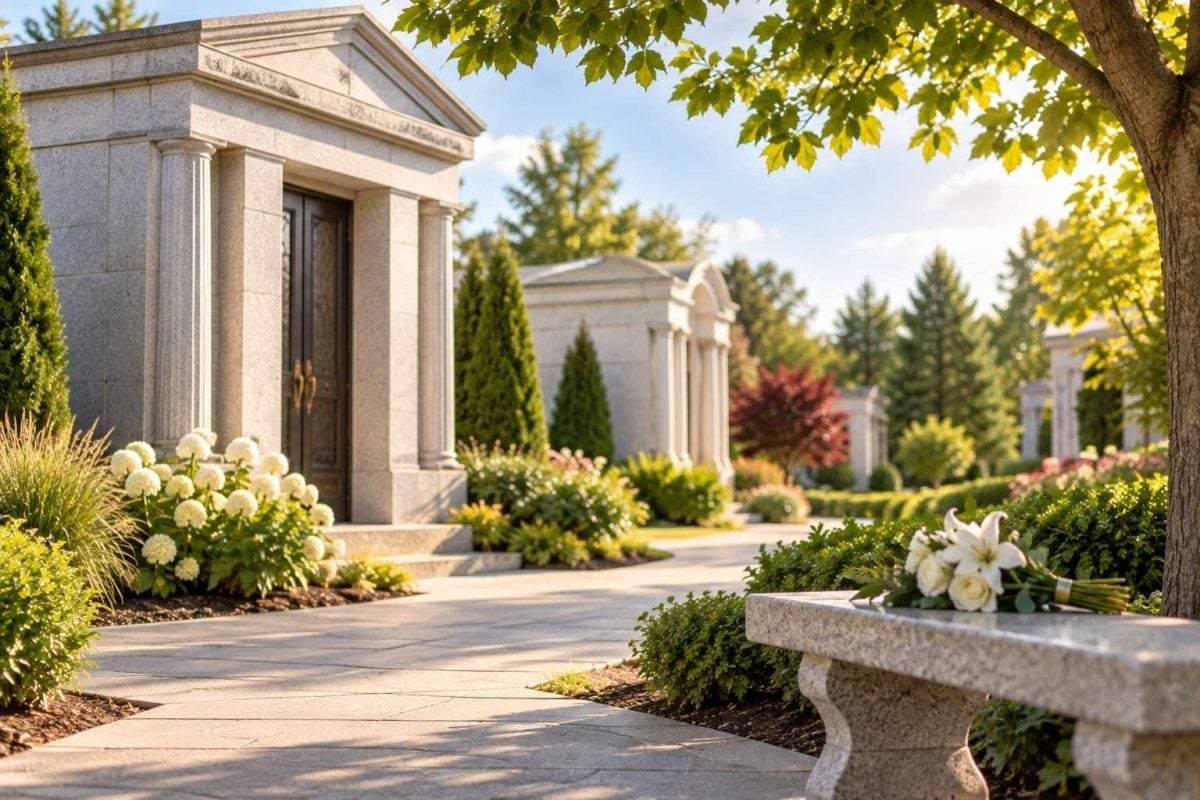
Families can explore different mausoleum arrangements based on their personal preferences and long-term plans. Community mausoleums provide above-ground entombment in a shared structure, while a private family mausoleum can create a dedicated setting associated with one family.
Albany Diocesan Cemeteries provides both community mausoleum arrangements and family heritage lots that may accommodate private family mausoleums.
When comparing mausoleum arrangements, families may want to consider:
- How convenient the location will be for relatives who plan to visit
- Whether a community or private setting better reflects family preferences
- How the setting relates to religious beliefs and family traditions
- Whether advance planning would make future decisions clearer for loved ones
- How the location may support remembrance across future generations
Making an Informed Family Decision
Burial planning is personal, and families may benefit from taking enough time to understand what is available before making a decision. Family Advisors can provide information designed to help people make informed and unhurried choices that are appropriate for their circumstances. This guidance can be useful for families who have questions about mausoleum burial or want to compare different burial arrangements.
What Should Families Consider When Comparing Mausoleum Options?
Families may want to consider location, accessibility, family traditions, religious preferences, and whether a community or private mausoleum best supports their long-term plans.
Thinking about who may visit the location in the future and what type of setting feels most meaningful can also help families make a thoughtful decision.
How Can Mausoleum Planning Support Future Generations?
Mausoleum planning can provide future generations with a consistent place to remember loved ones and maintain connections to their family’s history.
A thoughtfully selected location may also help preserve traditions and stories by giving children, grandchildren, and other relatives a meaningful place to gather and reflect over time.
Honoring Faith and Family Traditions
For Catholic families, the setting of a final resting place can carry spiritual meaning as well as personal significance. A Catholic cemetery can provide a place connected with Christian belief in resurrection and the remembrance of lives marked by faith.
Choosing a mausoleum within this environment can help families maintain traditions while creating a dedicated setting for remembrance and reflection.
Planning With Future Generations in Mind
Thoughtful burial planning can extend beyond the needs of the present generation. A permanent family location may provide children, grandchildren, and future relatives with a tangible connection to family history.
Selecting a setting with future visits in mind can help preserve stories, relationships, and traditions that families hope will continue for years.
Some families also choose to establish a lasting family legacy by purchasing multiple burial plots or mausoleum spaces together during the planning process. Making these arrangements as a family can allow loved ones to remain close while creating a shared place where children, grandchildren, and future generations can gather, reflect, and maintain a meaningful connection to their family’s history.
Creating a Shared Place for Family Remembrance
Planning spaces together can give relatives a recognizable place associated with their family’s history. Over time, visits may become opportunities to remember loved ones, share stories, continue traditions, and introduce younger relatives to family members who came before them.
A shared place of remembrance can therefore serve both present-day needs and the family’s desire to preserve meaningful connections across generations.
Preserving Family Connections Over Time
Family circumstances may change as children and grandchildren grow older or relatives move to different communities. A thoughtfully planned cemetery location can remain a consistent point of connection despite those changes.
Considering future generations during the planning process can help families create a lasting setting where remembrance, faith, traditions, and family history continue to have a meaningful place.
Frequently Asked Questions
What is mausoleum burial?
Mausoleum burial refers to above-ground entombment within a dedicated structure. Community mausoleums provide spaces within a shared structure, while some families may consider a private family mausoleum.
Can a mausoleum be selected during advance planning?
Yes. The organization includes mausoleum entombment as a possible final disposition within its advance planning process, allowing individuals to document this preference before it is needed.
Why might a family consider a community mausoleum?
A community mausoleum provides a permanent above-ground setting where relatives can return for remembrance and reflection. It may appeal to families who value a clearly defined location for future visits.
How can advance planning help loved ones?
Planning ahead can communicate personal wishes and reduce the number of decisions relatives may need to address later. It also gives individuals time to consider important details without feeling rushed.
Learn More About Thoughtful Burial Planning
For families considering a mausoleum or exploring cemeteries in Albany, NY, Albany Diocesan Cemeteries can provide compassionate and professional guidance as you consider meaningful arrangements for yourself or your family.
Explore meaningful mausoleum arrangements for your family or call (518) 374-5319 for personalized guidance and help taking the next step.
