

Preparing for Headstone Installation in Delmar, NY
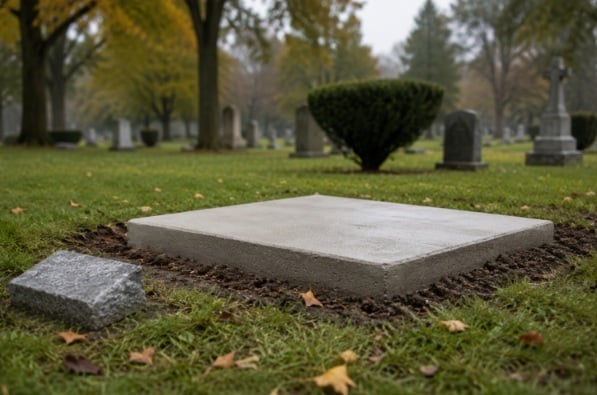
A headstone installation goes more smoothly when the cemetery’s requirements are confirmed before the memorial is finalized. Families comparing cemeteries in Delmar, NY should begin by confirming the cemetery’s guidelines, then make sure the monument provider has the same information in writing.
A memorial is meant to remain in place for generations. Taking a little extra time to verify the burial location, inscription, dimensions, cemetery requirements, and installation process can prevent delays and avoidable corrections later.
Key Takeaways
- Confirm cemetery requirements before finalizing a monument order.
- Verify the grave location and every inscription detail in writing.
- Ask whether weather, ground conditions, or recent activity affects timing.
- Keep approval, plot, and memorial records together until installation is complete.
- Review everything once more before the installation date is set.
Start with the Cemetery’s Installation Requirements
Cemeteries may have different memorial and cemetery choices for families, along with specific requirements for size, style, placement, foundations, and installation coordination. A monument that is appropriate at one cemetery may not meet the requirements at another, even when the cemeteries are located within the same general area.
What Should You Confirm Before Finalizing a Headstone?
Before approving a memorial design, ask the cemetery what information it needs to review and whether written approval is required. Requirements may vary according to the burial space and type of memorial being considered.
Important details to confirm include:
- Memorial Type: Determine whether the space permits an upright monument, flat marker, bevel marker, family monument, or another memorial style.
- Size and Placement: Verify maximum dimensions, orientation, and the required position within the burial space.
- Required Documentation: Ask whether the cemetery needs a memorial drawing, dimensions, material details, inscription proof, or other documentation.
- Foundation Requirements: Confirm whether a foundation is required and who is responsible for preparing or coordinating it.
- Installation Scheduling: Ask how installation dates are arranged and how much advance notice the cemetery requires.
Do not assume the cemetery and monument provider are working from the same information unless this has been confirmed. Keeping written approvals and requirements together can help prevent misunderstandings as the installation process moves forward.
Families may also find it helpful to plan ahead with memorial guidance before requesting an installation date. Reviewing cemetery requirements, memorial details, and approval records together can help prevent unnecessary delays.
Confirm the Grave Location and Memorial Details
Some of the most important details are also among the easiest to overlook when several family members are involved in making decisions. Confirming this information early can reduce the risk of a memorial being prepared with incorrect information.
How Can Your Family Verify the Correct Burial Space?
Confirm the cemetery section, lot, grave number, and any directional information associated with the burial space. Ask the cemetery to verify the exact location rather than relying only on a family’s description of the site or the appearance of nearby markers.
Keeping a copy of a cemetery map or written location information can provide a useful reference during the installation process. This becomes particularly important in larger cemeteries or family plots where several burial spaces may be located close together.
Review Names, Dates, and Inscription Details
Carefully review every name, date, suffix, punctuation mark, and other inscription detail before approving the final design. Reading the proof slowly with another family member can help identify errors that might otherwise be overlooked.
Religious symbols, floral artwork, photographs, emblems, and family wording should receive the same careful attention. Families may also benefit from exploring meaningful mausoleum and headstone inscriptions before approving the final memorial design.
Confirm Dimensions, Orientation, and Materials
Compare the proposed memorial dimensions with both the cemetery’s guidelines and the actual burial space. A family or companion memorial may also need sufficient room for future names, dates, symbols, or inscriptions.
Confirm which direction the memorial will face and where visitors will typically view the inscription. Granite color, finish, engraving contrast, and other design choices should be reviewed together so the family understands how the completed memorial is expected to appear.
Keeping one copy of the final approved proof with family records provides everyone with a shared reference if questions arise later.
Consider Memorial Options Before Installation
Families exploring cemetery headstones, monuments, and grave markers in Delmar, NY may find that confirming cemetery requirements early makes it easier to select an appropriate memorial. The burial space, cemetery guidelines, family preferences, and plans for future inscriptions can all influence the final design.
Understanding these requirements before production begins can help families choose a memorial that fits the available space while reducing the likelihood of changes later in the process. This can be especially important when planning a companion or family memorial that may require additional inscriptions in the future.
Gravestone Restoration and Existing Family Memorials
An installation may also bring attention to an older family memorial located within the same plot or nearby. Weather exposure, age, biological growth, and previous repairs can affect the appearance and condition of older stone. When families are planning a new memorial, it can be helpful to consider the condition of existing monuments as part of the overall family plot.
Recognize When an Older Memorial May Need Attention
Gravestone restoration may help preserve inscriptions, religious symbols, and other meaningful details while respecting the character of an existing memorial. Signs of aging or deterioration may encourage families to seek professional guidance before taking action.
Before cleaning, repairing, or altering an older monument, families should also confirm cemetery policies. Requirements may apply to restoration work, access, materials, or other changes made to an existing memorial.
Protect Aging Stone from Unintended Damage
Older stone can be more fragile than it appears. Using unsuitable cleaning products, repair materials, or techniques may cause permanent damage to the surface, lettering, or carved details.
Professional evaluation can be particularly important when a historic or aging memorial needs attention. Taking a careful approach can help families preserve meaningful features without unintentionally affecting the original stone.
Catholic Cremation and Permanent Memorial Placement
Catholic teaching permits cremation while encouraging cremated remains to be placed in a sacred and permanent resting place. Families choosing cemetery interment following cremation may still need to consider many of the same memorial requirements that apply to traditional burial spaces.
Before selecting a grave marker or companion memorial, confirm what the cemetery permits for the specific interment location. Dimensions, foundations, inscriptions, religious symbols, and installation procedures may all need cemetery approval.
Planning for a permanent memorial can give families a dedicated place for prayer, remembrance, and future visits while ensuring the memorial respects both family wishes and cemetery guidelines.
Prepare for Access, Scheduling, and Day-of Coordination
Families generally do not need to manage the physical setting of a monument, but they should understand who is responsible for each stage of the process.
Confirm how the installation team will access the cemetery and whether special instructions apply to the section where the memorial will be placed. It is also helpful to know when installation work can occur and whether cemetery visiting hours differ from working hours.
Ask whether there are specific requirements for protecting nearby graves, landscaping, or decorations while installation work is taking place. Keep the cemetery contact and monument provider’s contact information available in case weather changes, scheduling questions arise, or the family notices an issue that needs attention.
If a detail needs to be changed or corrected, communicate it as early as possible. Resolving a concern before production or installation is generally much easier than making a last-minute change.
Keep the Right Records Together
Memorial decisions may take place over several weeks or months, sometimes involving relatives who live in different locations. Keeping important information in one paper or digital folder can prevent details from becoming lost between conversations.
Records worth keeping include the final memorial proof, selected material and dimensions, cemetery approval correspondence, section and lot information, grave number, cemetery maps, installation contacts, and any special instructions provided by the cemetery.
These documents may remain valuable long after installation. Another family member may eventually need them when adding an inscription, planning a companion memorial, locating the burial space, or reviewing previous cemetery approvals.
Complete a Final Pre-Installation Review
Before an installation date is confirmed, complete one final review. This is the best opportunity to identify a spelling error, location mismatch, design concern, or unanswered question about the site.
Reconfirm the cemetery’s current guidance because requirements, schedules, or ground conditions may have changed since the family’s initial conversation. Compare the final inscription, dimensions, material, artwork, and design with the version the family approved.
Verify the burial location with the cemetery once more and ask whether weather, recent burial activity, or cemetery operations could affect the planned installation. Families should also know whether the cemetery, installer, or monument provider will communicate when the work has been completed.
Preparing with Confidence Before Installation
Taking time to confirm cemetery requirements, memorial details, site conditions, and installation responsibilities can help families avoid delays and move forward with greater confidence. Careful preparation also helps ensure the finished memorial reflects family wishes while meeting the cemetery’s requirements.
For families preparing a headstone at cemeteries in Delmar, NY, thoughtful planning can make the installation process clearer from beginning to end. When you are ready to discuss your family’s memorial needs, speak with our memorial planning team or call Catholic Monument Design Center at (518) 589-5577.
Frequently Asked Questions
What Does a Cemetery Need Before a Headstone Is Installed?
The cemetery typically needs the correct grave location and information about the proposed memorial, including its type, size, material, and placement. Ask the cemetery directly what documentation and approval steps apply to the specific burial space.
How Can Our Family Confirm the Correct Grave Location?
Use the section, lot, and grave information provided in cemetery records, then ask the cemetery to verify the location. Do not rely only on a verbal description or the appearance of nearby markers, particularly in older cemetery sections.
Can Weather Delay Headstone Installation?
Yes. Frozen ground, heavy rain, soft soil, and other seasonal conditions can affect whether a foundation or monument can be installed. Ask the cemetery or memorial provider about seasonal timing before confirming an installation date.
