

How Urn Gardens Create Peaceful Outdoor Cremation Memorials
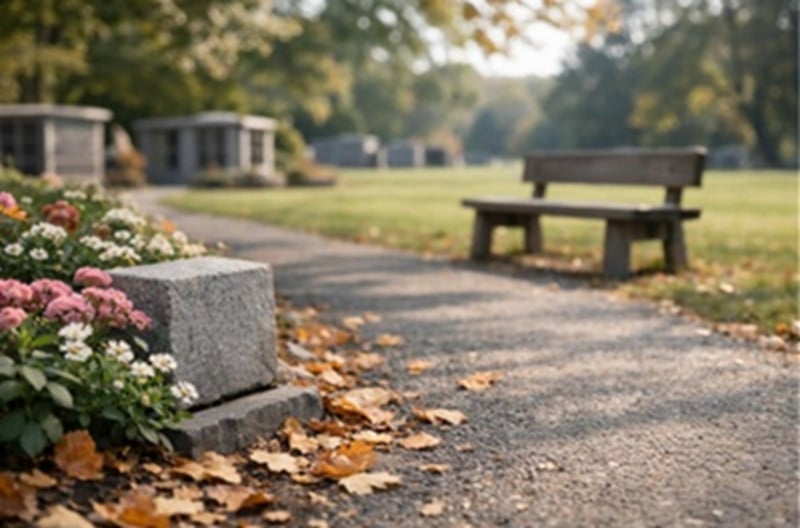
Urn gardens create peaceful outdoor cremation memorials by giving cremated remains a sacred, permanent place in the open air, with room for prayer, visits, flowers, and family remembrance. For Catholic families comparing cemeteries in Albany, NY, they also offer a way to choose cremation while still honoring the Church’s call to place the body’s remains in consecrated ground rather than keeping them at home.
A Garden Gives Cremated Remains a Place to Belong
When a family chooses cremation, one question often arrives later than it should: where will our loved one rest? At first, keeping the cremated remains close may feel tender and practical. Over time, though, the responsibility can become heavy, especially when adult children move, homes are sold, or siblings disagree.
An outdoor garden solves a quiet problem many families do not see coming. It gives one clear place where everyone can go, not just the person who happened to take the container home after the funeral. That shared place matters when grief stretches across years.
In a Catholic setting, the garden is not just pretty landscaping. It is part of a sacred place shaped by prayer, memory, and the hope of resurrection. The setting helps the family remember that Christian burial is not disposal, storage, or decoration, but an act of faith.
Why the Outdoor Setting Matters More Than Families Expect
A peaceful garden gives grief somewhere to breathe. Families often tell us they want a place that feels less formal than a large monument area, but still dignified enough for prayer. A garden can meet that need because it feels personal without becoming private property.
The best outdoor cremation memorials are designed for repeat visits, not only the day of placement. Shade, walking distance, nearby seating, and clear paths matter more than most people expect. If a spouse uses a cane, or grandchildren will visit with parents, those details shape whether the family returns often or avoids the place because it feels hard to reach.
There is also a seasonal gift in a garden. Spring flowers, summer light, autumn leaves, and winter quiet can become part of the family’s rhythm of remembrance. The memorial does not stay frozen in one emotional moment; it gently carries the family through time.
What Catholic Families Sometimes Misunderstand About Cremation
The Catholic Church permits cremation, but it also gives guidance for how cremated remains should be treated. They should be kept together and placed in a sacred resting place, such as a Catholic cemetery or another blessed cemetery space. This protects the dignity of the person who has died.
Some families are surprised by this because they have seen many modern habits that feel normal in the wider culture. Catholic practice asks us to slow down and ask a deeper question: does this choice show belief in the dignity of the body and the promise of eternal life?
This is where an outdoor cremation garden can be a bridge. It respects the family’s choice of cremation while still keeping the memorial grounded in Catholic faith. It also gives future generations a visible sign that this person belonged to a family, a Church, and a story larger than one lifetime.
If you are unsure how your wishes fit with Catholic teaching, Catholic Monument Design Center can help families plan ahead with thoughtful guidance before making important decisions. Taking time to discuss your preferences now can help reduce uncertainty later, especially when loved ones are trying to honor your wishes together.
A Realistic Family Moment We See Often
Picture three siblings after their mother’s funeral. One wants to keep the cremated remains at home “for now.” Another lives out of state and worries there will be no place to visit. The third does not want to argue, so the decision gets delayed.
Months pass. The container is still in a closet, not because anyone lacks love, but because nobody wants to reopen the conversation. Birthdays and anniversaries feel awkward because there is no shared place for prayer.
When families choose a garden memorial earlier, they often avoid that slow drift. The placement becomes part of the funeral journey or a planned family gathering soon after. People leave with a sense that something has been completed with reverence, even though grief is still present.
How to Think Through the Right Memorial Spot
Not every outdoor memorial area feels the same. Before choosing, we suggest families visit at the time of day they are most likely to return. Morning light, afternoon traffic sounds, and nearby activity can change the feeling of a place.
Think about who will visit most often. A quiet corner may comfort one person but feel too isolated for another. A spot near a path may be easier for aging relatives but less private for silent prayer.
Families comparing cemeteries in upstate NY may also notice big differences in Catholic identity. Some grounds are clearly shaped by Catholic symbols, saints, crucifixes, and burial rites. Others may include a Catholic section inside a broader cemetery, which can be meaningful for some families but may not feel the same as resting fully within a Catholic cemetery tradition.
If care for creation is part of your family conversation, it may also help to read about questions to ask when considering green burial in Albany-area cemeteries. Even if you choose cremation, those questions can sharpen how you think about land, simplicity, and long-term care.
The Details That Make a Garden Peaceful Over Time
The most peaceful memorial gardens are designed not only for the first visit but also for the tenth visit, holiday gatherings, and quiet moments after Mass. A thoughtful layout makes memorials easy to locate while maintaining a peaceful setting that invites reflection without feeling crowded.
One often-overlooked consideration is family clustering. If a spouse, sibling, or adult child may later wish to rest nearby, ask how the garden accommodates future placements. Planning ahead can help keep loved ones together and avoid limited options later.
Permanent identification is another important detail. A beautiful garden should include clear, lasting name placement so future generations can easily find and remember loved ones. Families often benefit from choosing timeless wording that will remain meaningful for years to come.
The setting should also support prayer and remembrance. Consider whether there is space to stand quietly, pray the Rosary, or place flowers without disrupting walkways or neighboring memorials.
Families exploring cemetery headstones, monuments, and grave markers often find that thoughtful memorial design complements the peaceful setting of an urn garden while honoring faith, family traditions, and lasting remembrance. Similar planning considerations are common for families creating memorials in Delmar, NY and Schenectady, NY.
Preserving Memorials for Future Generations
Even within urn gardens, preserving nearby family memorials remains an important part of honoring loved ones. Gravestone restoration helps maintain inscriptions, religious symbols, and craftsmanship so future generations can continue visiting memorials that remain clear, dignified, and meaningful over time.

Catholic Cremation Section
This is where an outdoor cremation garden can be a bridge. It respects the family’s choice of cremation while still keeping the memorial grounded in Catholic faith. It also gives future generations a visible sign that this person belonged to a family, a Church, and a story larger than one lifetime.
How Garden Memorials Differ from Other Cremation Choices
Families sometimes compare garden memorials with indoor niches, traditional graves, or family monuments. Each can be reverent. The better question is not “which is best,” but “which will help our family pray, visit, and remember faithfully?”
An indoor niche may appeal to families who want shelter from weather. A garden may appeal to those who feel close to God outdoors or want a softer place for grandchildren to visit. A traditional family lot may be right when cremated remains will rest near casket burials in the same family space.
This is also why the oldest cemetery in Albany, NY question comes up in family searches. People are often trying to understand history, permanence, and trust. Age can tell part of a story, but Catholic families should also ask whether the grounds support Catholic rites, ongoing prayer, and respectful care for cremation memorials today.
Finding a Peaceful Place for Lasting Remembrance
An outdoor cremation garden can provide a peaceful place where families gather to pray, remember, and honor loved ones for generations. By choosing a permanent resting place, families create a lasting memorial that reflects Catholic faith while offering comfort, connection, and a place to return throughout life’s changing seasons.
As families continue exploring cemeteries, thoughtful planning can help create a memorial that brings peace and lasting remembrance. For more information about planning ahead, contact our team for advance planning guidance or call (518) 350-7678.
